The quest for the best ceiling lift system for home care needs is ongoing. As our population ages, finding effective solutions for mobility challenges becomes crucial. Experts like Dr. James Holloway emphasize, "A reliable ceiling lift system can transform home care, enhancing both safety and comfort."
Ceiling lift systems offer practical assistance in transferring individuals from one place to another. They reduce strain on caregivers and provide independence for users. However, there is a catch. Not all systems are created equal. Some models may not fit every home layout or user need. While many options exist, it's essential to assess functionality versus cost.
Users often report mixed experiences. Some ceiling lift systems operate smoothly, while others face mechanical issues. Feedback highlights the need for thorough research before purchasing. Reflecting on the pros and cons can lead to better-informed decisions. Investing in a ceiling lift system requires consideration of both quality and user satisfaction.
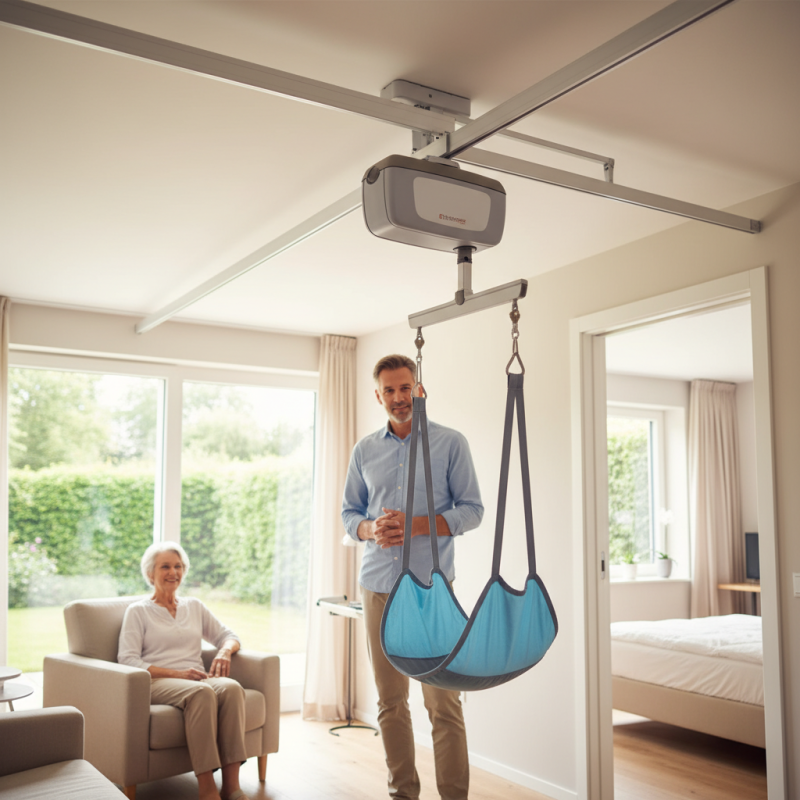
Ceiling lift systems are transforming home care. They enhance mobility for individuals with limited physical abilities. These systems can provide safety and comfort. Many families are recognizing their significant benefits for daily living.
When choosing a ceiling lift, consider installation needs. Some systems require professional setup, while others might be DIY-friendly. Think about your home’s layout. A standard room might not accommodate larger systems. Therefore, flexibility in design is vital.
Tip: Ensure you measure the ceiling height before purchasing a lift. This will help avoid mismatches. Regular maintenance of the system is crucial too. Deterioration can lead to serious accidents. Staying informed about the lift's operation is important. Safety checks can prevent issues before they arise.
When selecting a ceiling lift system for home care, several key features are crucial. The weight capacity is essential to ensure safety during lifting and transferring. Make sure to check the specifications thoroughly. For example, a system with a higher weight limit can accommodate various users. It's also important to consider the length of the track. Longer tracks provide greater flexibility in movement.
Tip: Measure your space carefully before installation. This allows you to choose a system that fits well in your home.
Another vital aspect is the ease of use. A user-friendly control system is necessary for caregivers. Look for options with intuitive controls. Some systems offer remote controls or easy-to-reach buttons. Don't overlook the mobility of the lift. It should glide smoothly along the track. A system that jerks or hesitates can be alarming.
Tip: Test different systems, if possible. Experience how they operate firsthand to find what feels right.
Finally, consider installation. Some systems require
professional installation while others are DIY-friendly. Take your time to evaluate what works best for your situation. A rushed decision can lead to issues down the line. Always prioritize safety and reliability in your choice.
When caring for loved ones at home, ceiling lift systems can make a significant difference. These systems help transfer individuals safely between locations, reducing physical strain on caregivers. In 2026, several options offer innovative features tailored to home care needs.
Many ceiling lifts are designed to fit into various room layouts. They can be installed in bathrooms, bedrooms, or living areas. Ease of use is essential, especially for caregivers managing daily tasks. The interfaces should be intuitive, though some products still present learning curves. Adjustability and portability are other key aspects. They ensure that lifts adapt to different users effectively.
Despite the advancements, not every system is perfect. Some lifts may struggle with weight limits or ceiling height restrictions. Caregivers often express concerns about safety features, too. Automatic shut-off systems should engage reliably, but this isn’t always the case. It’s crucial to examine user reviews before choosing a model. Ultimately, the right ceiling lift depends on individual needs and home environments.
When considering ceiling lifts for home care, cost is a major factor. The price range varies widely. Basic models can start at around $1,500. Higher-end systems may exceed $10,000. The features and installation complexity greatly affect the final cost. Many families struggle to balance quality and affordability.
**Tips:** Check for financing options. Some providers offer payment plans. This can make high-quality systems more accessible. Look for used or refurbished models. They can significantly reduce your expenses.
Installation costs also vary. If you hire professionals, expect to pay extra. Some systems are easier to install than others. DIY installation can save money, but it may not be suitable for everyone. Always consider your skills and safety before attempting installation yourself.
While it's tempting to choose the cheapest option, reflect on long-term needs. A more expensive system could last longer and provide better support. Think about warranties and customer service. Sometimes, paying more upfront is worth it for peace of mind.
| Lift Model | Weight Capacity (lbs) | Cost ($) | Ease of Installation | Battery Life (hrs) | Warranty (Years) |
|---|---|---|---|---|---|
| Model A | 400 | 2500 | Moderate | 10 | 5 |
| Model B | 500 | 3000 | Easy | 12 | 6 |
| Model C | 600 | 3500 | Difficult | 8 | 4 |
| Model D | 700 | 4000 | Easy | 15 | 7 |
When considering ceiling lift systems for home care, user reviews play a crucial role. Many individuals highlight the ease of use and reliability. Reports show that nearly 70% of caregivers experience reduced physical strain with ceiling lifts. This is vital for maintaining long-term caregiver health and safety.
However, not all users are fully satisfied. Some complain about installation challenges, citing that proper brackets and supports can be tricky. In a survey, about 30% of users reported issues with space limitations. Ceiling lifts require adequate room for operation.
User experiences also reveal that training is essential. Many caregivers feel unsure when first using these systems. A lack of training can lead to accidents or misuse. Around 40% of users suggested more comprehensive instruction manuals or videos. Personalized demonstrations can bridge this gap. It’s clear that while ceiling lift systems provide substantial benefits, there are areas needing improvement.
: They enhance mobility for individuals with limited physical abilities. They provide safety and comfort in home care.
Consider installation needs and your home’s layout. Measure the ceiling height to avoid mismatches.
Weight capacity, track length, and ease of use are crucial. A user-friendly control system is important for caregivers.
Prices range from $1,500 to over $10,000. Quality and installation complexity can greatly influence the final cost.
Some systems are DIY-friendly, but not all. Assess your skills and safety before deciding on self-installation.
Yes, some providers offer payment plans. Used or refurbished models can also help reduce expenses.
Regular maintenance is key to preventing accidents. Safety checks can help avoid issues before they occur.
It may not provide the long-term support you need. Paying more can sometimes offer better reliability and peace of mind.
The article "2026 Best Ceiling Lift System for Home Care Needs" provides a comprehensive overview of ceiling lift systems designed to assist individuals requiring home care. It highlights the essential features to consider when selecting a ceiling lift system, such as weight capacity, range of motion, and ease of installation. The article also reviews some of the top ceiling lift systems available in 2026, focusing on their performance and user-friendliness.
Additionally, it compares the cost and affordability of various ceiling lift systems to help consumers make informed decisions. User reviews and recommendations are included to provide insights into real-life experiences, ensuring that readers can find a ceiling lift system that best meets their home care needs. The emphasis on user satisfaction and practicality underscores the importance of these systems in enhancing the quality of life for those requiring assistance.

Zenith Medical