Choosing the right hospital bed is crucial for patients and caregivers. With options like electric and manual beds, it can be challenging to decide. Understanding "how to choose between an electric and manual hospital bed?" is key. Each type offers unique advantages.
Electric beds provide ease of use. They allow adjustments with minimal effort, which is beneficial for many. However, they can be more expensive and may require maintenance. Manual beds, on the other hand, are often more affordable and straightforward. But they demand physical effort, which may not suit every caregiver or patient.
Reflecting on personal needs is essential when making a choice. Consider the comfort and independence of the patient. Think about the assistance required and the budget available. Each bed type has strengths and limitations, and making an informed choice will enhance care and safety.
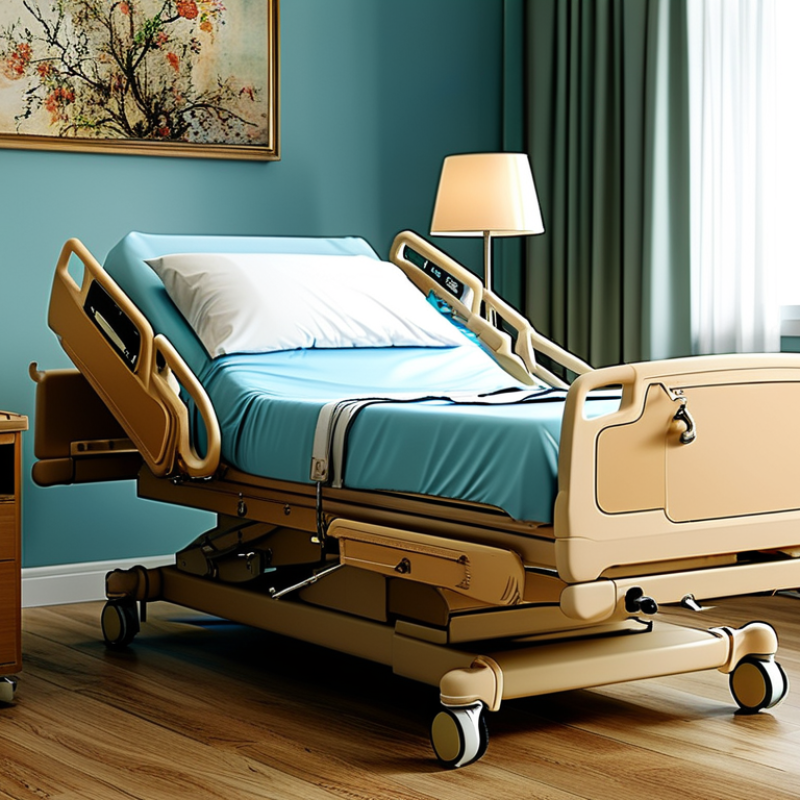
Choosing the right hospital bed is a crucial decision.
Factors like patient comfort and caregiver efficiency are essential.
Electric beds offer flexibility.
They allow easy adjustments for various positions. This feature minimizes the physical strain on caregivers.
Manual beds are simpler.
They can be a cost-effective option for facilities with tight budgets.
Consider the patient’s specific needs.
Patients with mobility issues may benefit from electric beds.
However, manual beds could work for patients with fewer needs.
It’s essential to assess the bed's height and weight capacity too. Some beds offer additional support features.
These enhancements can significantly improve patient outcomes.
What about space? The available room in a facility can limit bed options.
A larger hospital might accommodate more complicated beds.
Meanwhile, a smaller or home-based setting may need simpler designs.
Also, don’t overlook the aspect of bed mobility. Easy relocation is often necessary for cleaning or rearranging.
Each decision requires careful thought. Even choices that seem obvious might not be ideal in every scenario.
Electric hospital beds offer numerous advantages over manual ones, especially in terms of functionality and ease of use. They allow the patient to adjust their position with just the touch of a button. This feature is incredibly helpful for those who have limited mobility. Caregivers can also make adjustments without straining themselves, reducing the risk of injury.
Another key benefit is the ability to customize comfort. Electric beds typically come with presets for various positions. For instance, the head or foot can be elevated with one touch. This is much simpler than the manual method, which requires physical strength. Patients can find their ideal position quickly, enhancing satisfaction and comfort.
**Tip:** When selecting an electric hospital bed, consider the weight capacity. Ensure it supports the patient's weight plus any additional equipment, like mattresses or cushions.
Despite these advantages, electric beds can face technical issues. Regular maintenance is crucial to keep them functioning optimally. Some users may experience difficulty operating unfamiliar controls. Familiarization with the bed's functions can alleviate these problems.
**Tip:** Always test the bed before purchasing. This ensures it meets specific needs and preferences. Check for remote accessibility and ease of operation.
When considering manual hospital beds, it's essential to evaluate their key features that address patient comfort and caregiving needs. Manual beds are often more cost-effective than electric models. According to the U.S. Department of Health and Human Services, hospitals can save up to 30% on bed-related expenses with manual options. However, these savings can come at a cost, as ease of use may vary for caregivers.
One critical aspect of manual hospital beds is their adjustability. Most models allow for head and foot elevation, which can enhance patient comfort significantly. This feature is particularly important for individuals with respiratory or mobility issues. Research shows that beds providing adjustability can improve patient satisfaction scores. However, the manual adjustment process requires physical effort, which may lead to caregiver fatigue over time.
Another consideration is the structural integrity of manual beds. They are often built with durable materials to support weight and regular use. In a study by the Journal of Patient Safety, manual beds were reported to have a lower incidence of mechanical failures compared to electric models. Yet, this does not mean they are entirely risk-free. Caregivers must consistently check for wear and tear, as maintenance needs can easily be overlooked in busy hospital settings.
When choosing between electric and manual hospital beds, cost becomes a significant factor. Electric beds can be convenient, allowing for easy adjustments with the push of a button. However, they tend to be more expensive upfront. On average, the price difference can be several hundred dollars. This is important for facilities on a tight budget.
Manual beds, while typically cheaper, have their drawbacks. They require physical effort to adjust, which could be a challenge for staff. The initial savings might not lead to overall cost efficiency. Maintenance and labor costs can add up if staff frequently need to make adjustments.
In addition to the initial price, consider longevity and support. Electric beds may break down more often and need repairs. This could lead to unexpected costs. Manual beds, though simpler, might last longer with fewer issues. Understand the long-term implications before making a decision.
Choosing between electric and manual hospital beds can significantly impact patient care. Patient needs vary widely, often influenced by mobility levels and specific medical conditions. According to a study by the National Institute of Health, 70% of patients with mobility issues benefit from electric beds. These beds offer ease of adjustment and can reduce strain on caregivers, enhancing the overall caregiving experience.
Caregiver preferences also play a vital role in bed selection. Many caregivers expressed a preference for electric beds due to their ease of use. Reports indicate that using electric beds can decrease caregiver injuries by up to 30%. However, some caregivers advocate for manual beds, citing lower maintenance costs and reliability. The concern about potential mechanical failures in electric beds remains a point of debate among healthcare professionals.
Ultimately, it's essential to consider both patient comfort and caregiver convenience. The choice may depend on specific situations and budgets. Regular training for caregivers on bed operation can mitigate risks and improve care quality. Understanding the dynamic between patient needs and caregiver preferences is key to making informed bed selections.
| Type of Bed | Patient Needs | Caregiver Preferences | Price Range | Ease of Use |
|---|---|---|---|---|
| Electric Bed | Adjustable height and positioning for comfort | Overall ease of operation with controls | $2,000 - $5,000 | High |
| Manual Bed | Durability and stability for longer use | Simple to maneuver and adjust | $1,000 - $3,000 | Moderate |
| Semi-Electric Bed | Combination of electric advantages and manual control | Flexible usage; easier transport | $1,500 - $4,000 | High |
| Bariatric Bed | Specialized for heavier patients with weight capacities up to 600 lbs | Enhanced stability and safety features | $3,000 - $6,000 | Low to Moderate |
: Manual beds are often cost-effective, saving hospitals up to 30% on expenses.
They allow head and foot elevation, improving comfort for those with mobility or respiratory issues.
Adjusting manual beds requires physical effort, which can tire caregivers over time.
Yes, they are built with durable materials, but regular maintenance checks are essential.
Electric beds offer ease of adjustment, especially beneficial for patients with mobility issues.
Caregivers often prefer electric beds due to ease of use and lower injury risk, but some value manual beds for cost-effectiveness.
Yes, regular training helps caregivers operate beds safely and reduces risks.
While manual beds have lower failure rates, they still require monitoring for wear and tear.
Some caregivers prefer manual beds for their reliability and lower maintenance costs.
Both patient comfort and caregiver convenience are vital for making the right choice.
When considering how to choose between an electric and manual hospital bed, several factors come into play. The main considerations include the specific needs of the patient, the preferences of caregivers, and the practical features of each bed type. Electric hospital beds offer numerous advantages, such as greater ease of use and the ability to adjust the bed position with minimal effort, which can significantly benefit both patients and caregivers. In contrast, manual beds are often simpler and more cost-effective, making them suitable for certain environments and situations.
Cost comparison is another crucial aspect when selecting between these two options. While electric beds typically have a higher upfront cost, they can enhance patient comfort and care efficiency. Ultimately, understanding both the key features of manual hospital beds and the advantages of electric beds can help make an informed decision that best meets both patient needs and caregiver preferences.

Zenith Medical