Caring for a bedbound elderly parent poses unique challenges. One pivotal concern is their comfort and well-being. This leads to the question, "What is the best mattress for a bedbound elderly parent?" A suitable mattress can significantly affect their quality of life.
When selecting a mattress, several factors must be considered. Firmness, material, and ease of movement are crucial elements. Many caregivers report that memory foam mattresses provide the best support. They contour to the body, helping to relieve pressure points. However, some options can be too soft and may require deeper evaluation.
Lastly, it is essential to prioritize safety and hygiene. Waterproof covers can prevent accidents from compromising the mattress quality. As we journey through options, a thorough understanding of different mattress types is vital. Balancing comfort and support can be a daunting task, but it is necessary for achieving the right choice.
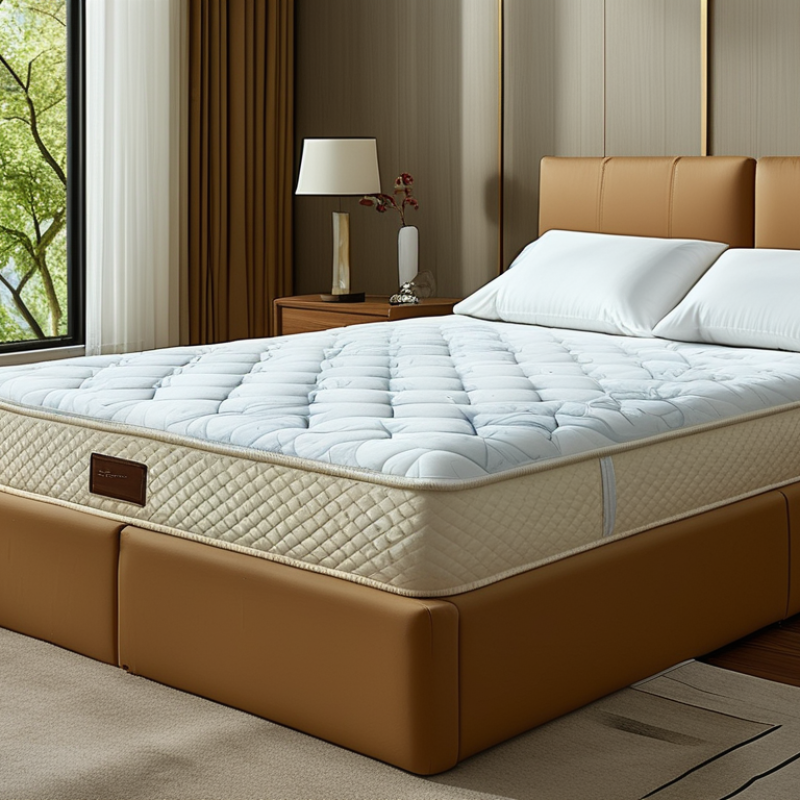
Factors to Consider When Choosing a Mattress for Bedbound Elderly
Choosing the right mattress for a bedbound elderly parent is crucial for their comfort and health. Factors such as firmness, material, and support play a significant role. A medium-firm mattress often provides the best balance. It supports body weight while still offering softness. Memory foam and latex are popular materials. Both conform to the body, reducing pressure points.
Tips: Look for a mattress that has good breathability. This helps keep the body cool and comfortable. Additionally, check for hypoallergenic materials. This can help prevent allergies caused by dust mites and other irritants.
Evaluate the height of the mattress as well. A mattress that is too high may make it difficult to get in and out of bed. Conversely, a mattress that is too low may not provide adequate support. Consider investing in a pressure-relieving mattress if your parent has mobility issues. These mattresses can help reduce the risk of bed sores.
Comfort is essential but not the only consideration. Think about how easy the mattress is to clean and maintain. Stains can accumulate quickly. Look for models with removable covers. Ultimately, the right mattress will enhance your parent's quality of life.
Types of Mattresses Suitable for Bedbound Individuals
Choosing the right mattress for a bedbound elderly parent is vital for their comfort and health. Not all mattresses are created equal, especially for those who may spend most of their time in bed. Look into memory foam mattresses; they offer excellent support and pressure relief. They contour to the body, reducing the risk of bedsores. Innerspring mattresses can also be suitable but might not provide the same level of pressure relief.
Adjustable air mattresses are another option. These allow you to customize firmness levels across different parts of the bed. This feature can be especially beneficial for elderly individuals with specific comfort needs. Hybrid mattresses, which combine foam and innerspring, can provide both support and comfort.
Tips: When selecting a mattress, consider the weight and physical condition of your parent. A heavier individual may need a firmer mattress to prevent sinking too deeply. Test the mattress for comfort before purchasing.
Don’t overlook the importance of mattress covers. They protect against spills and allergens. Regularly check the mattress for signs of wear or discomfort. Being proactive can prevent health issues related to prolonged bed rest. Be mindful, as choosing the wrong mattress can have serious consequences, like poor sleep quality and reduced mobility.
Evaluating Firmness Levels for Comfort and Support
Selecting the right mattress for a bedbound elderly parent can significantly impact their comfort and health. Firmness is a crucial factor that influences support and pressure relief. According to studies by the National Institutes of Health, a medium-firm mattress often provides a balanced level of support. It helps to align the spine properly while reducing pressure points on vulnerable areas.
Individuals with limited mobility require careful consideration of firmness levels. A mattress that is too soft may cause sinking and difficulty in movement. In contrast, mattresses that are excessively firm can lead to discomfort and pain. Research indicates that mattresses with a firmness rating of 5 to 7, on a scale of 1 to 10, are frequently recommended for elderly patients. They offer just the right mix of support and comfort.
Addressing specific needs is vital. For example, a pressure-relief mattress with memory foam or gel layers can be beneficial. These materials conform to the body, reducing pressure on bony areas. However, it’s crucial to assess how well these materials allow for air circulation, as overheating can be uncomfortable. The choice of mattress ultimately hinges on individual preferences and specific health considerations, making it essential to test options thoroughly.
Benefits of Pressure Relief Features in Mattresses
Choosing the right mattress for a bedbound elderly parent can significantly affect their comfort and health. One critical feature to consider is pressure relief. A mattress designed with pressure relief features can help reduce the risk of pressure sores, which are common among those who cannot move independently. These sores can lead to serious complications if not addressed properly.
Mattresses that provide adequate cushioning and support can relieve pressure points, especially in areas like the hips and shoulders. Memory foam and gel-infused mattresses are popular for this reason. They conform to the body’s shape, distributing weight evenly. This design not only enhances comfort but also promotes better circulation. However, not every mattress suits every individual, which can sometimes lead to discomfort.
It's essential to consider individual needs. A mattress may appear perfect but might not work for everyone. Testing various options is crucial. An ideal choice should balance softness and support. Higher-quality mattresses tend to offer better durability and lasting benefits. Parents deserve comfort and health during their time in bed, and paying attention to these details can make a significant difference.
Maintenance and Care Tips for Mattresses Used by the Elderly
Taking care of an elderly parent who is bedbound requires a focus on their comfort. Choosing the right mattress is vital, but maintenance matters too. Regular cleaning is essential. Dust mites and allergens can accumulate quickly. A simple vacuuming weekly can help maintain hygiene. Spot clean stains with gentle soap and water, but avoid soaking the mattress.
Check for sagging or wear. A mattress that loses support can lead to pressure sores. Rotate the mattress regularly to ensure even wear. If visible damage occurs, consider its lifespan. Sometimes, even a mattress that seems fine might need replacement sooner than expected.
Consider bed linens as well. Soft, breathable fabrics can enhance comfort and reduce heat build-up. This is important for an elderly person's sensitive skin. Accommodations like mattress protectors can add a layer of care. Make these practices a routine. Such consistent effort is rewarding, even if it's not always easy. Adapting to these responsibilities requires mindfulness and a willingness to learn.
FAQS
: Memory foam mattresses offer great support and help reduce bedsores.
They allow customization of firmness for different body areas, enhancing comfort.
It helps reduce the risk of pressure sores, common in less mobile individuals.
Comfort and support must balance. Testing various options is crucial.
Vacuum weekly to reduce dust mites and allergens. Spot clean when needed.
Look for sagging or visible damage. Even minor wear may mean it’s time to replace.
Soft, breathable fabrics help keep them comfortable and reduce skin irritation.
They protect against spills and allergens, enhancing hygiene and comfort.
Yes, individual needs vary. A mattress may not work for everyone despite appearances.
Regularly rotate and check the mattress for wear. Routine maintenance helps ensure comfort.
Conclusion
When considering the question, "What is the best mattress for a bedbound elderly parent?" several factors must be taken into account. The ideal mattress should provide adequate support, ensuring the comfort and safety of the individual. Types of mattresses that are particularly suitable for bedbound individuals include memory foam and latex options, which offer excellent contouring and pressure relief. Evaluating the firmness level is also crucial, as a mattress that is too soft may not provide the necessary support, while one that is too firm might cause discomfort.
In addition to firmness, mattresses with built-in pressure relief features can significantly enhance comfort, reducing the risk of pressure sores for those who spend prolonged periods in bed. Regular maintenance and care are essential to prolong the life of the mattress and ensure a hygienic sleeping environment for the elderly. By considering these elements, caregivers can make informed decisions to improve the comfort and well-being of bedbound elderly parents.

 Zenith Medical