Creating a home-based ICU room with medical furniture is a crucial step for those caring for seriously ill patients. This space must be functional, comfortable, and equipped with essential medical supplies. When considering "How to set up a home-based ICU room with medical furniture?", it is important to prioritize safety, accessibility, and hygiene. Each piece of furniture should serve a specific purpose and meet medical standards.
Incorporating essential elements like hospital beds, medical monitors, and storage for supplies is vital. The room should have adequate lighting and ventilation. It may also be beneficial to include a sitting area for family members. Despite careful planning, challenges will arise. Adjustments may be necessary as patients' needs evolve. Effective communication with healthcare professionals can provide valuable guidance.
Overall, setting up a home ICU room requires thoughtful decisions and resources. It involves understanding medical needs and ensuring a supportive environment for both patients and caregivers. This endeavor can be daunting but ultimately rewarding for enhancing patient care at home.
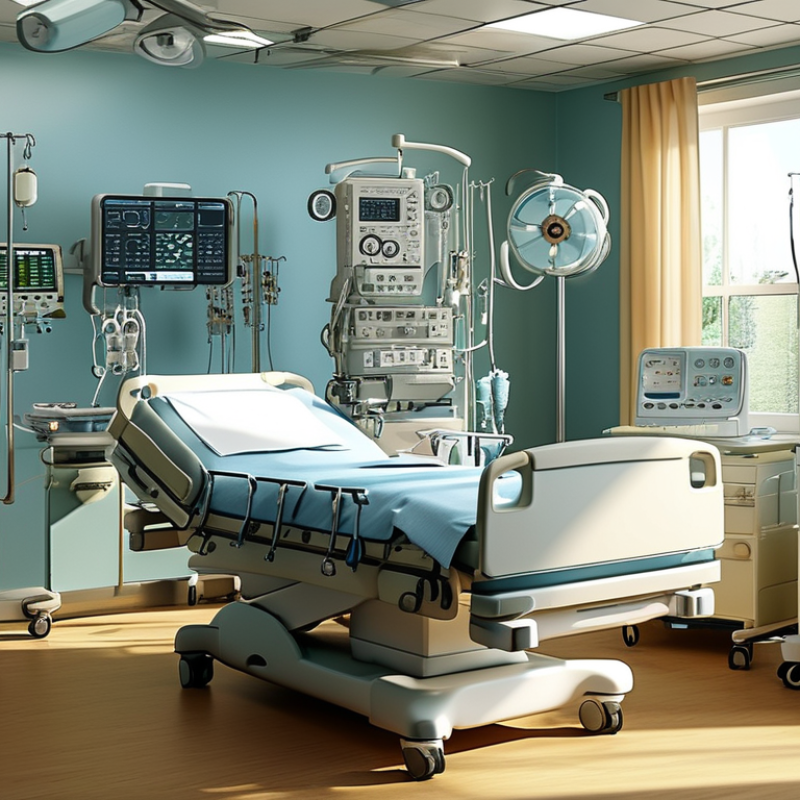
Choosing the right location for your home ICU room is crucial. A suitable spot should maximize access and minimize disturbances. Consider areas with adequate ventilation and lighting. Natural light can enhance the mood of both patients and caregivers. Avoid placing the room near busy or noisy areas like the kitchen or living room.
Make sure the room is spacious enough to accommodate medical equipment and personnel. Furniture should be strategically placed for optimal workflow. A clutter-free environment is essential. This can prevent accidents and ensure quick access to necessary items. Reflect on how the layout feels when standing in the room.
Pay attention to accessibility. Family members and healthcare providers should easily enter and exit. Sometimes, you might notice that certain locations feel cramped or distracting. It’s essential to reevaluate and adjust as needed. Maintaining a calm and organized space should be a top priority in creating an effective home ICU.
Creating a home ICU room requires careful planning and the right medical furniture. Essential pieces include a hospital bed, which supports patient comfort and accessibility. According to the Journal of Hospital Medicine, ergonomic beds reduce pressure ulcers by 60%. Additionally, a bedside table should be adjustable for easier use. It allows for items like water, medication, and personal belongings to be within reach.
Monitoring equipment is critical. A reliable vital signs monitor helps track a patient’s health in real-time. Research shows that timely data can improve outcomes significantly. Patient recliners are also important. They offer comfort during long recovery periods. Such furniture should be adjustable for various postures, helping to ease fatigue.
Setup must also consider organization. A secure storage cabinet is necessary for medical supplies. Keep medications, dressings, and equipment organized. However, balance between accessibility and safety is crucial. Many homeowners overlook this aspect. Unsafe storage can lead to potential hazards. Tailoring the space for both function and safety creates a better healing environment.
Designing a home ICU room requires careful planning and thoughtful layout. Space should prioritize both accessibility and comfort. Studies show that light and air quality significantly impact patient recovery. Ideally, natural light should flow into the room. This can improve mood and mental clarity. Consider adding windows when possible, but ensure privacy and safety.
The arrangement of medical furniture is crucial. Equipment should be within easy reach, facilitating quick responses during emergencies. A centralized monitoring station enhances the caregiver's response time. Data indicates that an efficient layout reduces stress for both patients and caregivers by about 30%. It's vital to create zones for different activities. This includes resting, treatment, and family interaction. Each zone should be clearly defined yet comfortable.
Lastly, consider the challenges of noise and clutter. Excessive equipment or poor organization can worsen patient anxiety. Studies suggest that noise levels in healthcare settings should remain below 60 decibels for optimal patient outcomes. Thoughtful design can minimize distractions and promote a healing environment. Ultimately, even the best setups require regular reviews and adjustments. Adapting the space as needs change will foster a continuous improvement process.
| Dimension | Recommendation | Importance |
|---|---|---|
| Room Size | Minimum 120 sq ft | Necessary for equipment and accessibility |
| Bed Type | Hospital-grade adjustable bed | Crucial for patient comfort and care |
| Monitoring Equipment | Vital signs monitor, ECG | Essential for continuous patient monitoring |
| Storage Options | Shelving and cabinets for supplies | Important for organization and quick access |
| Lighting | Adjustable and bright lighting | Critical for patient care and visibility |
| Accessibility | Wide doorways and space for equipment | Vital for emergency situations |
Creating a home ICU room requires careful attention to equipment safety and maintenance. Regular checks on medical devices are crucial. This includes monitoring their functionality and ensuring they are clean. Dust and moisture can affect performance. Schedule weekly inspections to catch potential issues early.
Proper storage and organization also play a role in safety. Keep equipment like ventilators, monitors, and oxygen tanks in designated places. Label each item clearly. This minimizes confusion in emergencies. Consider using color-coded labels for easy identification. Maintenance logs should be kept up to date, noting any repairs or part replacements.
Even small errors in maintenance can lead to serious consequences. One overlooked detail could disrupt care when it matters most. Continuous education about the equipment is vital. Owners should be trained to use and troubleshoot devices. This empowers families to react quickly and confidently, ensuring safety in difficult moments.
Creating a comforting environment for patients and caregivers is essential in a home ICU room. The design of the space can significantly impact healing and well-being. Start with soft lighting. Avoid harsh fluorescents whenever possible. Instead, choose warm, adjustable lamps that create a soothing atmosphere. Consider adding blackout curtains for privacy and to control natural light.
Incorporate comfortable medical furniture that encourages relaxation. A recliner or adjustable bed can help patients find their preferred position. The furniture should have easily cleanable surfaces. Supportive cushions can make a difference, too. They not only enhance comfort but also improve the overall experience for both patients and caregivers.
Personal touches are vital. Consider wall art or photos that evoke happy memories. These small items can have profound emotional effects. Yet, creating a comforting space does not come without challenges. Balancing medical needs with comfort is not easy. Caregivers may feel overwhelmed with their responsibilities. Reflecting on one’s feelings and the environment can lead to improvements, ensuring the room remains a peaceful haven.
: Schedule weekly inspections to monitor functionality and cleanliness of devices.
It minimizes confusion in emergencies and ensures quick access to essential items.
Dust and moisture can seriously impact device functionality.
Keep maintenance logs updated, noting repairs and part replacements.
Use soft, warm lighting and comfortable furniture to enhance relaxation.
Wall art and photos that evoke happy memories have profound emotional effects.
They may feel overwhelmed balancing medical needs with creating a comforting space.
Harsh fluorescent lights should be minimized to maintain a soothing atmosphere.
Comfortable medical furniture like recliners can significantly enhance relaxation for patients.
It empowers families to troubleshoot and react quickly in critical situations.
Creating a home-based ICU room with medical furniture requires careful planning and consideration to ensure optimal care for patients. First, it's essential to choose the right location, which should be quiet and easily accessible for caregivers. The selection of essential medical furniture, such as adjustable beds, recliners, and storage units, plays a crucial role in the overall functionality of the space.
Layout and design should prioritize easy movement for caregivers and efficient access to equipment, while also considering the patient’s comfort. Safety and maintenance of equipment are vital to prevent complications. Lastly, creating a comforting environment can significantly enhance the well-being of both patients and caregivers. In summary, understanding how to set up a home-based ICU room with medical furniture involves addressing these critical aspects for effective home healthcare.

Zenith Medical