Cleaning and disinfecting hospital furniture is critical for infection control. According to the CDC, healthcare-associated infections affect millions of patients each year. Proper cleaning methods can significantly reduce these risks. Experts emphasize the importance of understanding "How to clean and disinfect hospital furniture properly?"
Dr. Emily Carter, a leading infection control specialist, states, “Effective disinfection strategies are key to a safer healthcare environment.” Her research highlights that not all cleaning agents are effective against all pathogens. This underscores the need for tailored cleaning protocols.
Furniture in hospitals can harbor various pathogens, including MRSA and C. difficile. Regular and thorough disinfection is essential, yet often overlooked. Many healthcare facilities struggle with consistent cleaning practices. Inadequate training and lack of awareness contribute to these challenges. This reflects a need for improved cleaning protocols and training within the medical community.
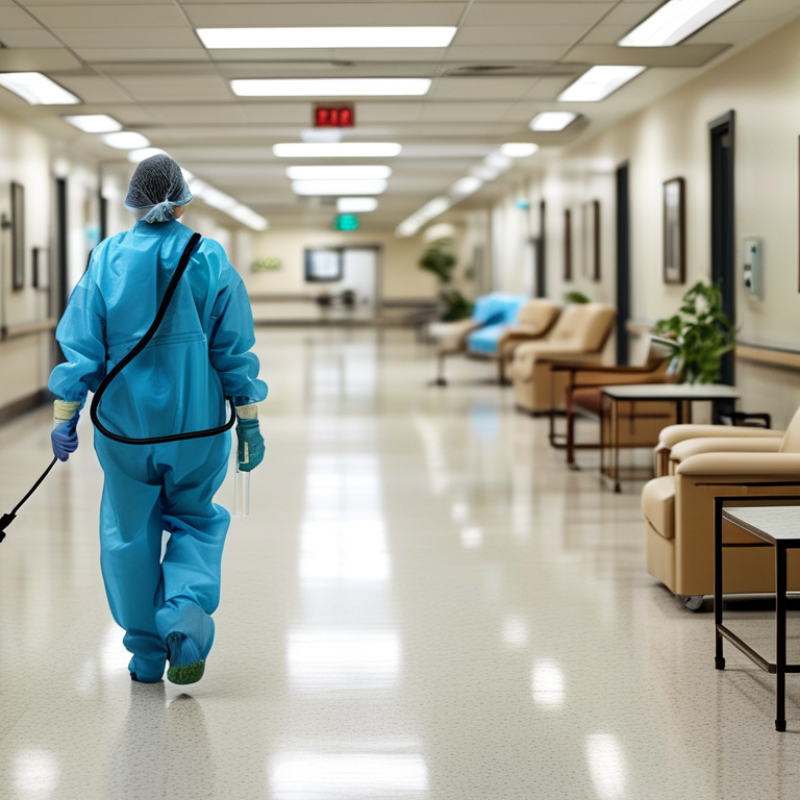
When it comes to cleaning and disinfecting hospital furniture, choosing the right cleaning agents is crucial. According to the CDC, approximately 1 in 31 hospital patients has at least one healthcare-associated infection. Effective disinfection can significantly reduce this risk. Key agents include quaternary ammonium compounds, sodium hypochlorite, and hydrogen peroxide. These agents are known for their broad-spectrum antimicrobial activity.
Quaternary ammonium compounds are favored for non-porous surfaces. They are effective against a range of pathogens, including MRSA and VRE. However, their efficacy can decrease in the presence of organic matter. Sodium hypochlorite remains a gold standard for disinfecting surfaces. It acts quickly and is highly effective against spores. Yet, it can damage surfaces over time.
Hydrogen peroxide serves as a viable alternative. It decomposes into water and oxygen, posing less risk to the environment. However, it may require longer contact time to ensure disinfection. Regular audits on cleaning protocols reveal that compliance often falls short, indicating ongoing challenges in maintaining high standards. Each disinfecting agent has its strengths and weaknesses, necessitating a thoughtful approach to ensure optimal cleanliness in healthcare settings.
Disinfecting hospital furniture is crucial for patient safety. Proper procedures can reduce the spread of infections. Studies show that over 1.7 million healthcare-associated infections occur annually in the U.S. alone. This highlights the need for effective cleaning routines.
Begin by assessing the type of surface. Hard surfaces like metal or plastic require different methods compared to upholstery. Use EPA-registered disinfectants for hard surfaces. Wipe the surface thoroughly, ensuring contact time is met according to manufacturer guidelines. For fabric upholstery, steam cleaning is often effective. It reaches temperatures that can eliminate pathogens.
Address frequently-touched areas such as handrails, bedside tables, and light switches. These surfaces must be disinfected multiple times a day. A recent survey found that 50% of healthcare workers do not adhere to recommended cleaning schedules. This gap reflects a need for better training and accountability. Reinforce protocols frequently and monitor compliance to enhance overall disinfecting efforts.
Cleaning and disinfecting hospital furniture is crucial for patient safety. Contaminated surfaces can harbor pathogens. To effectively manage this issue, it's important to have a systematic approach. Staff must be trained to recognize high-touch areas. This includes beds, chairs, and side tables. Proper identification helps prioritize cleaning efforts. Using the right products can make a big difference in reducing infection risks.
Effective disinfecting practices start with removing visible dirt. Wipe surfaces down with a damp cloth before applying disinfectants. Allowing the disinfectant to sit for the recommended time is essential for effectiveness. Consider using disposable wipes to limit cross-contamination. Regular audits can help track compliance with cleaning protocols. Reflection is necessary here; some facilities may struggle with consistent practices.
A checklist can streamline the cleaning process. Include daily, weekly, and monthly tasks to maintain a high standard. Remember to involve all staff members in these initiatives. Engagement fosters ownership of the cleaning process. Sometimes, routines can become complacent. Continuous monitoring and feedback are vital. Observing how furniture is handled can provide insights for improvement.
Cleaning and disinfecting hospital furniture requires a clear schedule. Frequent cleaning can limit the spread of infections. Daily disinfection of high-touch surfaces, like armrests and bed rails, helps maintain a safe environment. Staff must be diligent in adhering to this routine. Consistent cleaning creates a barrier against harmful pathogens.
Timing is crucial. Cleaning should occur at the beginning and end of each shift. This ensures that furniture remains sanitary throughout the day. In addition to routine cleaning, consider spot checks during busy hours. These additional measures can address any contamination quickly.
It’s essential to evaluate cleaning practices regularly. Are staff following the protocols? Are the products effective? Reflecting on these questions can improve overall hygiene practices. Continuous education for staff on the best cleaning techniques also reinforces their importance. This reflective practice is key to producing better outcomes in patient care.
Cleaning and disinfecting hospital furniture is critical to patient safety. However, staff must prioritize their safety during these procedures. Proper personal protective equipment (PPE) is essential. Use gloves, masks, and eye protection when handling cleaning agents. The CDC emphasizes that nearly 80% of healthcare-associated infections can be prevented with adequate infection control practices.
Staff should also be aware of potential chemical hazards. Many disinfectants contain toxins that can cause skin or respiratory irritation. The National Institute for Occupational Safety and Health (NIOSH) recommends training sessions on proper handling techniques. Inhaling certain chemicals can lead to long-term health issues. Making sure that cleaning areas are well-ventilated significantly reduces these risks.
It’s also important to maintain clear communication among staff during cleaning. Some hospitals report confusion during busy cleaning schedules, which can lead to accidents. A study revealed that nearly 40% of cleaning-related injuries comes from improper handling or lack of coordination. Establishing a checklist and assigning roles can help improve safety. Regular feedback on procedures ensures that staff remain aware of safe practices.
: It reduces the risk of infections. Contaminated surfaces can harbor harmful pathogens that affect patient safety.
Training is essential. Staff should recognize surfaces like beds, chairs, and side tables to prioritize cleaning.
Start by removing visible dirt. Wipe surfaces first before applying disinfectants for better effectiveness.
High-touch surfaces need daily disinfection. Regular cleaning helps maintain a sanitary environment and limits infection spread.
Spot checks are crucial. Quick assessments during busy times can address contamination immediately.
Proper PPE is necessary. Gloves, masks, and eye protection help prevent exposure to harmful cleaning agents.
Many disinfectants contain toxins. Inhaling or contacting them can cause skin irritation or respiratory issues.
Clear communication reduces confusion. This practice can prevent accidents and ensure effective cleaning.
Regular audits and feedback help track compliance. This encourages staff to follow safety practices consistently.
Include daily, weekly, and monthly tasks. This approach helps maintain high standards and engages all staff in cleaning efforts.
Cleaning and disinfecting hospital furniture is crucial for maintaining a safe environment for patients and staff. To effectively address the question of "how to clean and disinfect hospital furniture properly?", one must start with essential cleaning agents specifically designed for hospital settings. A systematic, step-by-step procedure should be followed to disinfect various surfaces, ensuring that all areas receive adequate attention.
Handling contaminated furniture requires best practices that prioritize safety and effectiveness, including the use of personal protective equipment (PPE). Additionally, establishing a frequency and timing for cleaning routines can help minimize the risk of infection. To further protect hospital staff during these procedures, it is vital to implement safety precautions that reduce exposure to harmful substances and ensure a thorough disinfection process. By following these guidelines, hospitals can create a cleaner, healthier environment for everyone.

Zenith Medical