Choosing the right bed for a nursing home is crucial. It impacts comfort, safety, and overall well-being of residents. When considering options, a common question arises: "What features should I look for in a modern nursing home bed?"
Modern nursing home beds come with a variety of features. Adjustable height is one important aspect. This allows caregivers to work efficiently while ensuring safety. Some beds even have built-in pressure relief systems. These reduce the risk of bedsores, enhancing the quality of life for residents.
Another feature to consider is mobility. Beds that easily adjust for patient transfer can be beneficial. Look for models that include side rails and easy access buttons. These promote independence and can help those with limited mobility. Reflecting on these features is essential. Not every bed will meet every need and expectations may vary.
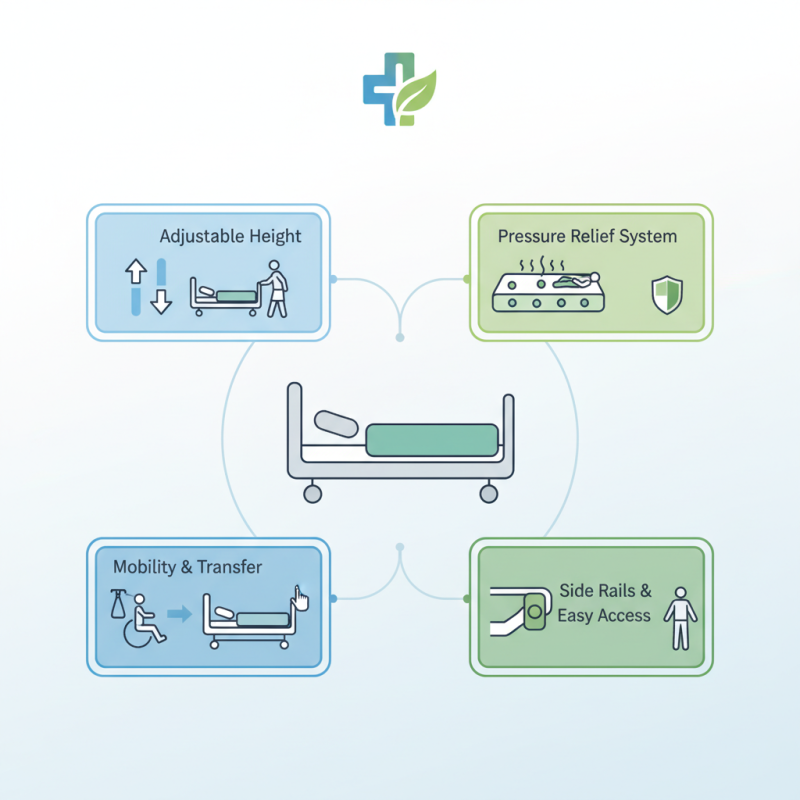
When choosing nursing home beds, adjustable height stands out. This feature is crucial for patient comfort and caregiver convenience. Beds that can be easily adjusted promote better access for caregivers. They can manage tasks such as changing linens, administering medication, or helping residents with mobility.
Adjustable height beds can reduce strain on caregivers’ backs. They can set the bed to a comfortable working height. This minimizes the risk of injury during patient transfers. However, it’s important to consider the range of height adjustments. Not all beds allow for adequate adjustments, which can lead to challenges in care.
Moreover, not every resident may adapt well to these beds. Some may find the height changes disorienting. Care facilities should seek feedback from both patients and staff. Balancing the needs of environment and care delivery can be challenging. Continuous assessment is key to finding the right solutions in these situations.
Pressure relief mattresses are critical in nursing homes. These mattresses help prevent bedsores, also known as pressure ulcers. According to the National Pressure Ulcer Advisory Panel, nearly 2.5 million patients develop bedsores each year in the United States. The right mattress can significantly reduce this risk.
Pressure relief mattresses use various materials and designs to redistribute body weight. This prevents pressure on sensitive areas of the body. Data from the American Health Care Association reveals that effective cushioning can reduce ulcer development by up to 60%. However, some facilities still use traditional mattresses, which can lead to increased health complications.
It is essential to select mattresses that meet specific safety standards. Regulatory bodies like the FDA set guidelines to ensure mattress firmness and durability. Despite this, many nursing homes face budget constraints. They may not prioritize investing in high-quality mattresses. This gap highlights the need for ongoing evaluation of care standards in nursing homes. Ultimately, ensuring comfort and safety for residents must remain a top priority.
When selecting modern nursing home beds, safety mechanisms are crucial. One vital feature is adjustable height. This allows caregivers to lower the bed for easier access during transfers. It reduces the risk of back injuries for staff. Additionally, settings can help residents get in and out with minimal effort.
Fall prevention features are essential. Bed rails can offer support, but they must be designed carefully. High rails can sometimes trap patients, raising concerns. Another effective tool is the use of pressure sensors. These devices alert staff if a resident attempts to leave the bed alone. This provides a critical response time to prevent falls.
Moreover, mattress quality matters. A supportive mattress can help maintain proper body alignment. Yet, it should not be too firm, as this can cause discomfort. Regular assessments of these features and their effectiveness are necessary. Keeping communication open with residents about their comfort can inform future adjustments.
Modern nursing home beds are evolving with the integration of smart technology. These beds now feature sensors that monitor vital signs, ensuring immediate alerts for caregivers. This technology promotes an environment of safety and care, which is crucial in a nursing setting.
One tip for selecting these beds is to ensure they have adjustable settings. Users can customize the bed’s height and angle to enhance comfort. This adaptability is vital for both residents' comfort and staff efficiency. Another important aspect is the inclusion of anti-entrapment features. They help prevent residents from getting stuck while adjusting their positions.
Smart technology can also include sleep tracking features. This helps caregivers understand residents' sleeping patterns and any potential issues. For families, access to this data can provide peace of mind. It allows them to stay informed about their loved one's health in real time. The balance between technology and personal care should always be reflective for caregivers. They must ensure that the human touch remains a priority amid the use of advanced technology.
| Feature | Description | Benefits | Smart Technology Integration |
|---|---|---|---|
| Adjustable Height | Ability to raise or lower the bed for easy access | Improves safety for both residents and caregivers | Remote-controlled height adjustment |
| Pressure Relief System | Special mattress technology to reduce pressure points | Prevents bedsores and enhances comfort | Sensors that monitor pressure distribution |
| Mobility Assistance | Features that assist residents in getting in and out of bed | Enhances independence and reduces fall risk | Automated side rails or lift assistance |
| Smart Monitoring | Built-in health monitoring systems | Continuous health tracking and alerts | Integration with health apps and devices |
| User-Friendly Controls | Easy-to-use interface for bed adjustments | Reduces confusion and empowers residents | Touchscreen or voice-controlled operation |
When designing modern nursing home beds, ease of use and accessibility is paramount. Caregivers often face physical challenges when assisting residents. Beds that can easily adjust height make transfers simpler. Features like remote controls or manual levers are essential for quick adjustments. Simplicity in design reduces confusion and enhances efficiency for staff.
For residents, comfort is a crucial consideration. Beds should offer adjustable positions to cater to individual needs. Some residents may prefer sitting up, while others may find lying flat more comfortable. The bedding material must be easy to clean and hypoallergenic. These details can significantly impact the overall quality of life for residents.
Reflecting on current designs reveals room for improvement. Many beds are still too complicated. Some caregivers struggle with the technology used, which can lead to frustration. A focus on intuitive features can create a smoother experience. It’s essential to continuously gather feedback from both caregivers and residents. This approach ensures that the beds evolve to meet their needs effectively.
: Adjustable height beds enhance patient comfort and make it easier for caregivers to assist with various tasks.
They allow caregivers to adjust the bed to a comfortable working height, reducing strain on their backs during transfers.
Not all beds provide adequate height adjustments, which can pose challenges for effective care delivery.
They help prevent bedsores by redistributing body weight and reducing pressure on sensitive body areas.
Proper cushioning can reduce ulcer development by up to 60%, according to recent research.
Budget constraints often limit nursing homes, leading them to use traditional mattresses that may not meet safety standards.
Simple designs and features for height adjustment simplify transfers, reducing physical challenges for caregivers.
Adjustable positions and hypoallergenic materials are crucial for meeting diverse comfort needs and preferences.
Some beds are still complicated, making it hard for caregivers to use the technology effectively.
Continuous feedback helps ensure beds evolve to meet the changing needs of both residents and caregivers.
When considering what features to look for in a modern nursing home bed, it is crucial to focus on several key aspects. Adjustable height is essential for facilitating both caregiver access and resident comfort, allowing for easier transfers and reducing strain on caregivers. Moreover, pressure relief mattresses are vital for preventing bedsores, ensuring patient comfort over extended periods.
Safety mechanisms and fall prevention features are non-negotiable in nursing home beds, as they enhance resident security and minimize the risk of accidents. The integration of smart technology can further improve care by enabling remote monitoring and personalized adjustments. Finally, it's important to ensure that the beds are user-friendly and accessible, catering to the needs of both residents and caregivers for efficient operation in a nursing home setting.

Zenith Medical