In recent years, hospitals have increasingly opted for powder-coated steel furniture. This choice raises an important question: "Why do hospitals use powder-coated steel for furniture?" The answer lies in a combination of durability, cleanliness, and aesthetic appeal. Powder-coated steel is resilient against the daily wear and tear of a medical environment. It resists scratches and rust, extending the furniture's lifespan.
Moreover, healthcare settings emphasize hygiene. Powder coating creates a sealed surface that is easy to clean. This is crucial in preventing the spread of infections in hospitals. Hospitals strive for environments that prioritize patient safety. The sleek finish of powder-coated steel also enhances the overall look of a hospital, contributing to a positive atmosphere.
Yet, not all powder coatings are created equal. Some may wear off over time, leading to potential issues. Hospitals must carefully select high-quality coatings to ensure longevity. This selection process can be complex. Ultimately, the question remains: are the hospitals fully aware of the long-term implications of their choices? Balancing cost and quality is ever-present. As healthcare continues to evolve, so too must furniture choices.
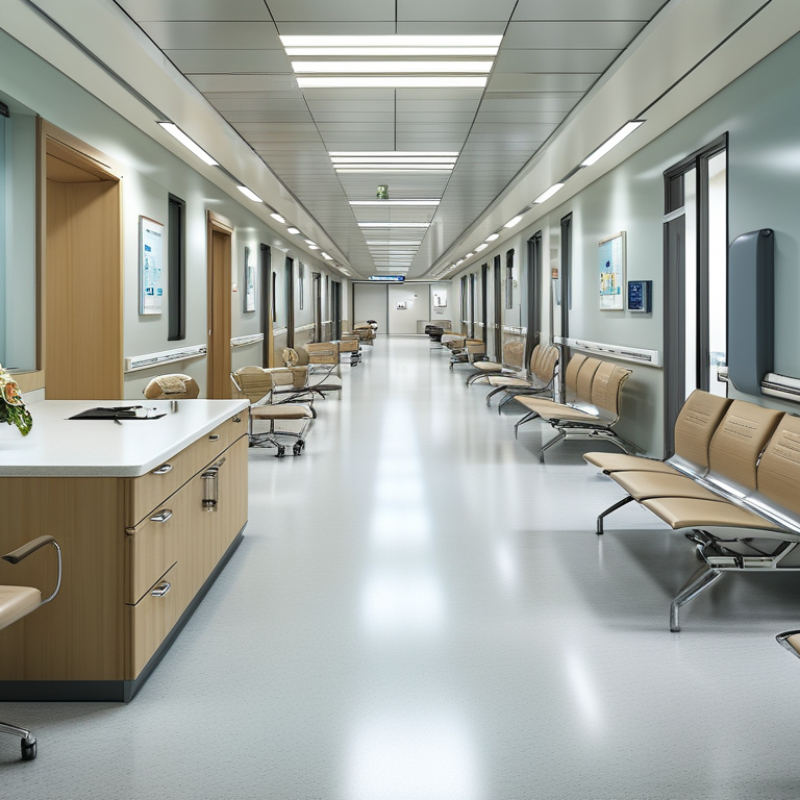
Advantages of Powder Coated Steel Furniture in Hospital Settings
Hospitals are increasingly opting for
powder coated steel furniture
due to its numerous advantages. This type of furniture is known for its
durability
and resistance to wear. Powder coating creates a tough finish that can
withstand frequent cleaning. In hospital settings, where hygiene is paramount,
this feature becomes crucial. The surfaces resist scratching and chipping,
maintaining a professional appearance over time.
Another significant benefit is the wide range of colors and finishes available.
Hospitals can create an inviting and calm atmosphere that promotes healing.
The customizable designs allow for incorporation into various decor styles,
further enhancing the patient experience.
Additionally, powder coated steel furniture is often lighter than traditional
metal alternatives, making it easier to rearrange and adapt to changing needs.
However, it's essential to consider the
initial costs. While powder coated
furniture tends to be more expensive upfront, its longevity offers savings
over time. Maintenance is minimal, yet some may question how well it holds up
against heavy use.
Overall, the balance between cost and durability often leads to a favorable
choice for hospitals aiming for longevity and cleanliness.
Durability and Longevity of Powder Coated Steel Furniture
Powder coated steel furniture has gained popularity in hospitals due to its impressive durability and longevity. According to industry reports, this type of furniture can withstand heavy use for over 10 years without significant wear. Hospitals require solutions that can endure high traffic and rigorous cleaning processes. Powder coating provides a tough outer layer that resists scratches, dents, and corrosion, contributing to a longer lifespan.
In addition, powder coated steel is a low-maintenance option. It can be easily cleaned using standard disinfectants, making it ideal for sterile environments. Industry studies indicate that furniture in healthcare settings can attract contaminants easily. With powder coated surfaces, the risk of bacteria adherence is reduced. This feature aligns with the healthcare industry's commitment to patient safety and hygiene.
Despite its many advantages, there can be challenges. For instance, if the powder coating is damaged, the steel beneath may rust. Regular inspections are essential for maintaining the integrity of these surfaces. It’s crucial to have a maintenance plan in place to address any wear and tear quickly. The shift toward powder coated furniture reflects a growing understanding of its long-term benefits in healthcare environments.
Hygienic Properties of Powder Coated Surfaces in Healthcare
Powder coated steel furniture is gaining popularity in hospitals. Its hygienic properties make it a preferred choice in healthcare settings. The smooth, non-porous surface of powder coating prevents the accumulation of bacteria and pathogens. According to a study by the Journal of Hospital Infection, surfaces treated with powder coating can reduce microbial growth by up to 99%. This is essential in a place where infections can greatly impact patient recovery.
Another significant aspect is the easy cleaning process. The durability of powder coated steel ensures that disinfectants can be used frequently without compromising the surface. This resilience makes maintenance straightforward. However, not all powder coatings are created equal, and improper application can lead to peeling or chipping, which defeats hygiene purposes. It’s crucial to ensure quality during the manufacturing process.
**Tip:** When choosing furniture, verify the coating specifications. Look for certifications that indicate the coating has been tested for antimicrobial properties. Regular maintenance and audits can help ensure the furniture continues to meet hygiene standards. Hospitals should also train staff on proper cleaning techniques to maximize the benefits of these surfaces.
Hygienic Properties of Powder Coated Surfaces in Healthcare
Cost-Effectiveness of Powder Coated Steel Compared to Other Materials
Hospitals increasingly choose powder-coated steel furniture due to its superior cost-effectiveness. A report by the Healthcare Furniture Association reveals that powder-coated steel can be up to 30% less expensive than traditional wooden or plastic alternatives. This significant cost reduction can be crucial for budget-conscious facilities. In addition to lower upfront costs, powder-coated steel offers durability and longevity, further reducing long-term expenses.
The maintenance costs associated with powder-coated steel are also appealing. According to a study by the Institute for Healthcare Design, hospitals spend approximately 10% of their operational budget on furniture maintenance. Powder-coated finishes resist scratches and stains, minimizing the need for frequent repairs or replacements. Facilities find that they can allocate resources more effectively when they invest in durable materials.
However, hospitals must consider the environmental impact of their furniture choices. While powder-coated steel lasts longer, the production process can involve significant energy use. Research indicates that nearly 60% of healthcare facilities are exploring more sustainable options. Balancing cost savings with environmental responsibility remains a challenge for many hospitals looking to modernize their furniture. This complexity in decision-making affects the overall assessment of powder-coated steel as a leading choice.
Design Flexibility and Aesthetic Appeal of Powder Coated Furniture
Powder coated steel furniture is increasingly popular in hospitals. The beauty of this material lies in its design flexibility. Hospitals can choose various colors and finishes that suit their unique aesthetic needs. This customization enhances the environment, making it feel more welcoming for patients and staff alike. Bright and clean designs help uplift spirits, reducing anxiety in patients.
Moreover, powder coating provides a robust finish. It is resistant to scratches, stains, and Even chipping. The durability of this furniture type translates to longer life spans, which hospitals require. It reduces the cost of replacement and maintenance. But, some may find the colors may fade over time. Regular assessments can solve this issue.
Another point for consideration is the environmental impact of powder coating. It is generally more eco-friendly than traditional paints. Yet, the energy used in the curing process is something to reflect upon. Balancing aesthetics with functionality and sustainability is vital for informed decision-making in hospital furniture choices.
Why Do Hospitals Prefer Powder Coated Steel Furniture? - Design Flexibility and Aesthetic Appeal of Powder Coated Furniture
| Feature |
Advantages |
Applications |
| Design Flexibility |
Available in various colors and finishes, allowing customization to fit hospital themes. |
Patient rooms, waiting areas, and administrative offices. |
| Durability |
Resistant to scratches, chipping, and fading, ensuring long-term use. |
High-traffic areas and outdoor spaces. |
| Easy Maintenance |
Smooth surface can be easily cleaned, supporting hygiene standards. |
Isolation rooms, surgical units, and common areas. |
| Aesthetic Appeal |
Modern look that can enhance the overall environment of healthcare facilities. |
Lobbies, consultation rooms, and cafeterias. |
| Environmental Impact |
Powder coating is more eco-friendly compared to traditional painting methods. |
Sustainability-driven projects and green hospitals. |
Conclusion
Hospitals increasingly favor powder-coated steel furniture due to its numerous advantages that enhance both functionality and aesthetics in healthcare environments. One key reason is the durability and longevity of powder-coated steel, which ensures that furniture can withstand the rigors of a hospital setting, reducing the need for frequent replacements. Additionally, the hygienic properties of powder-coated surfaces are crucial in preventing the spread of infections, making it a safe choice for healthcare facilities.
Cost-effectiveness is another significant factor, as powder-coated steel is often more economical compared to other materials without compromising quality. Furthermore, the design flexibility and aesthetic appeal of powder-coated furniture allow hospitals to create a welcoming and efficient atmosphere for patients and staff. In summary, "Why do hospitals use powder-coated steel for furniture?" is answered by considering its durability, hygiene, cost-effectiveness, and design versatility, making it an ideal choice for modern healthcare settings.

 Zenith Medical