Post-surgery recovery is a critical phase for patients. Proper positioning can make a significant difference in comfort and healing. One essential tool that many healthcare professionals recommend is the lateral positioning pad. This specialized cushion supports the body while ensuring optimal alignment.
Why use a lateral positioning pad for post-surgery recovery? The answer lies in its ability to alleviate pressure points. Patients often experience discomfort due to limited mobility. A lateral positioning pad addresses this issue by providing stability and support. It helps in redistributing weight across the body, reducing strain on sensitive areas.
Moreover, healthcare experts highlight the importance of using this pad during recovery. It promotes better circulation and minimizes the risk of complications. However, not all pads are created equal. Selecting the right one requires careful consideration. Each patient’s needs can differ, necessitating a personalized approach for effective recovery.
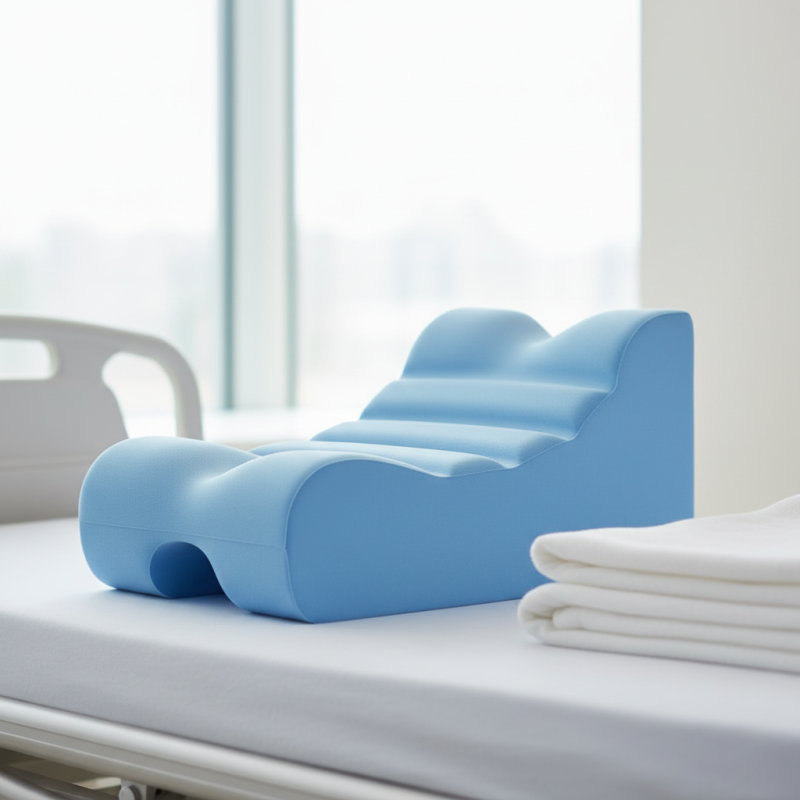
Post-surgery recovery can be challenging. Every move matters. This is where a lateral positioning pad can make a significant difference. It provides essential support for those who need to stay on their side during recovery. These pads help maintain the body’s alignment, reducing strain on muscles and joints.
Using a lateral positioning pad can enhance comfort. Patients often report sleeping better when using one. The cushioning reduces pressure points, which makes resting more pleasant. This can lead to quicker healing. However, proper use is critical. Placing the pad incorrectly may cause discomfort. It's essential to adjust the pad to fit individual needs.
Safety is another concern. A pad should be adequately sized and securely positioned. An ill-fitting pad might slip. This can lead to potential falls or injuries. Regular checks ensure stability. Listening to feedback can guide adjustments. It’s about finding the right balance between support and comfort for optimal recovery.
Lateral positioning pads are essential in post-surgery recovery. They enhance patient comfort and stability, making a significant difference in healing. Studies indicate that proper positioning reduces pressure on sensitive areas. This can decrease the risk of bed sores by up to 50%, which is vital for immobile patients.
Padding aids in supporting the body’s natural alignment. A well-supported back and limbs lead to fewer complications. Patients report feeling more secure and relaxed, promoting faster recovery. Furthermore, medical professionals emphasize that adequate comfort levels can alter a patient’s perception of pain, consequently lowering the need for pain medications.
Tips: Ensure the pad is adjustable. This allows for personalized support according to the patient's needs. Regularly check the positioning throughout the recovery process to prevent discomfort. Don’t ignore feedback from patients about their comfort levels. It's crucial for ongoing improvements in care.
A lateral positioning pad is essential for post-surgery recovery. When choosing one, there are several key features to consider. Comfort is paramount. The pad should provide optimal pressure relief. According to industry reports, over 60% of patients experience discomfort when lying on hard surfaces. A pad with adequate cushioning can prevent bedsores and promote faster healing.
Durability is another critical feature. A high-quality pad should withstand repeated use without losing its shape. Medical facilities often face high turnover rates; hence, choosing a durable pad is crucial. Research indicates that pads that retain their posture can reduce recovery times by up to 30%.
Consider adjustability as well. A good lateral positioning pad should be flexible in design. This allows caregivers to modify the angle and height to meet individual patient needs. Inadequate support can lead to muscle strain or discomfort, affecting recovery. Overall, choosing the right pad can significantly enhance a patient's post-operative experience and minimize complications.
Lateral positioning pads offer a unique advantage for post-surgery recovery. Unlike traditional flat surfaces, they provide tailored support, promoting better alignment of the body. This can reduce pain and discomfort, allowing patients to heal more effectively. For those recovering from surgeries, movement can be challenging. The right positioning can make a notable difference.
In comparison with other positioning options, lateral pads excel in versatility. They support multiple body parts simultaneously, which is crucial for comfort. This is especially significant during long recovery periods. Other options, like wedge pillows, may restrict movement and limit circulation. Many patients struggle to find the right angle that suits their needs, leading to frustration.
Moreover, the design of lateral positioning pads helps prevent pressure ulcers. This is a common issue in immobile patients. While other products can support body weight, they may lack the contouring needed for maximum comfort. However, it's essential to remember that not all pads are created equal. Some might not fulfill every patient's needs. Testing and personal preference play a key role in finding the right tool for recovery.
After surgery, optimizing recovery is crucial. A lateral positioning pad can significantly aid this process. Research indicates that patients positioned laterally experience improved lung capacity and reduced pressure sores. This is especially important for long surgeries. A study found that 30% of patients develop pressure ulcers due to improper positioning. Using a lateral positioning pad can mitigate these risks effectively.
Practicing proper usage is vital for maximizing benefits. Ensure the pad aligns with natural body curves. The correct positioning reduces stress on joints and enhances comfort. A report highlights that 80% of patients report reduced pain levels when using a positioning aid. Regularly assess the patient's comfort and adjust as necessary. Frequent evaluations can identify discomfort early.
Yet, despite its benefits, some may overlook the need for regular repositioning. It's essential not to rely solely on the pad. Inadequate movement can lead to complications. Encourage caregivers to monitor patients actively. Educating the medical team on the importance of lateral positioning can enhance overall care quality. Striving for the best outcomes requires attention to detail and commitment to best practices.
: They enhance patient comfort and stability during post-surgery recovery.
They reduce pressure on sensitive areas, decreasing bed sore risk by up to 50%.
It supports natural body alignment and leads to fewer complications.
Adequate comfort can lower a patient’s perceived pain, reducing medication needs.
Ensure it's adjustable to fit the patient’s specific needs for optimal support.
They must assess the patient’s comfort and adjust the positioning as necessary.
Some may overlook the need for regular repositioning of the patient.
A report states that 80% of patients experience less pain with these pads.
Teaching the importance of lateral positioning can significantly enhance care quality.
Continuous monitoring and adjusting based on patient feedback is essential.
In post-surgery recovery, the comfort and stability of patients are paramount, making the question "Why use a lateral positioning pad for post-surgery recovery?" particularly relevant. Lateral positioning pads offer significant benefits such as reducing pressure points, enhancing circulation, and preventing complications like bedsores, which are crucial during the healing process. These pads are designed to support the patient's body in a way that optimizes comfort and safety, ensuring a more effective recovery experience.
Key features to consider when selecting a lateral positioning pad include its material, size, and adjustability to accommodate different body types and surgical needs. When compared to other positioning options, lateral positioning pads provide superior support and stability, allowing patients to recover in a secure manner. To maximize the advantages of using these pads, caregivers should implement best practices for positioning and monitoring patients post-surgery, thereby promoting a smoother and more comfortable healing journey.

Zenith Medical