How to Maintain Your Medical Stretcher Hydraulic System?

Time:2026-06-07 Author:Madeline
0%

Maintaining the hydraulic system of a medical stretcher is crucial for its safe operation. Over time, wear and tear can lead to significant issues. Regular maintenance helps ensure that the stretcher functions correctly when emergencies arise. Many healthcare professionals may wonder, "How to maintain the hydraulic system of a medical stretcher?"

A few core maintenance practices exist, but consistency is key. Checking fluid levels and examining for leaks should become routine. Many overlook the importance of these simple tasks, leading to potential failures. Regular inspections can save time and resources in the long run. Neglecting minor issues can escalate, resulting in costly repairs.

Understanding the hydraulic system's mechanics is vital. It is not just about knowing how to operate the stretcher but also how to care for it. When equipment fails, trust can erode. Therefore, taking time to learn more about maintenance can enhance safety and reliability in medical settings. Implementing these practices fosters a culture of attentiveness and prioritizes patient care.
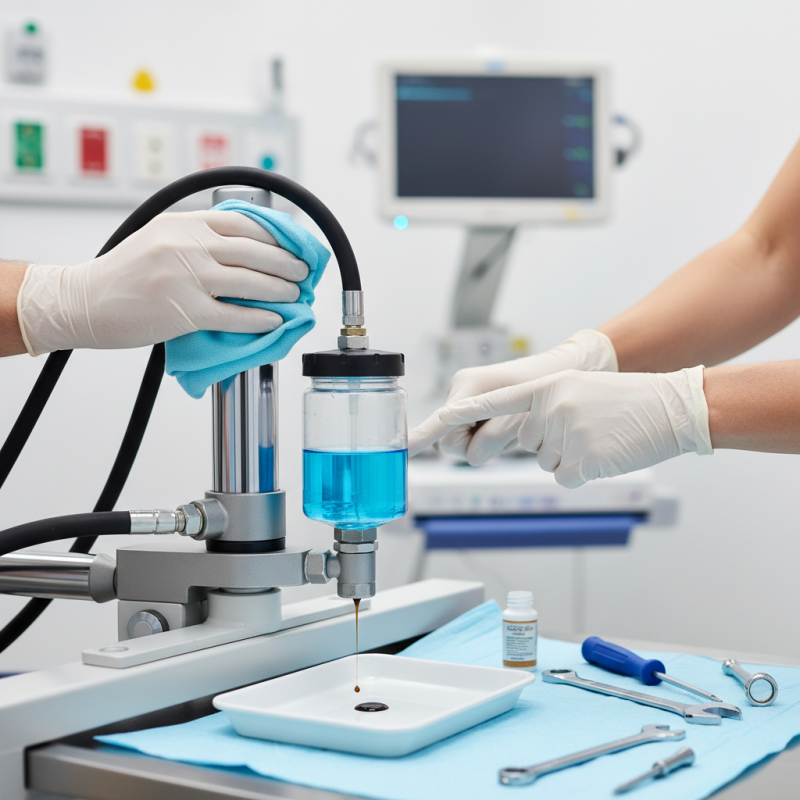
How to Maintain Your Medical Stretcher Hydraulic System?

Understand the Components of a Medical Stretcher Hydraulic System

Understanding the components of a medical stretcher hydraulic system is crucial for effective maintenance. These systems typically consist of hydraulic pumps, cylinders, and control mechanisms. The pump generates hydraulic pressure, which is essential for raising and lowering the stretcher. Regular checks on the pump can prevent unexpected failures during critical moments.

Hydraulic cylinders play a vital role in this mechanism. They enable smooth and precise adjustments to the stretcher height. It's important to inspect these cylinders for leaks or signs of wear regularly. Small issues can lead to larger problems if not addressed promptly. Keeping the hoses connected to the cylinders in good condition is equally essential to maintain pressure and functionality.

Control mechanisms, often overlooked, are the interface between the operator and the hydraulic system. These buttons and levers should respond immediately to inputs. If they become sticky or unresponsive, safety is compromised. Regular cleaning and basic functional checks can prolong their life and ensure reliability. It's easy to assume everything is fine, but regular inspection can reveal critical issues that require attention.

Regular Inspection and Maintenance Schedule for Hydraulic Systems

Maintaining your medical stretcher hydraulic system is crucial for safety and efficiency. A regular inspection and maintenance schedule is essential for optimal performance. Hydraulic systems require attention to function properly. It’s not just about reliability; it’s about saving lives in critical moments.

Tip: Schedule bi-weekly checks. During these inspections, look for fluid leaks or irregularities. Inspect hoses and connections for wear. Always clean debris that can block system components. This will ensure smooth operation during emergency situations.

Documentation is key. Keep a log of all inspections and maintenance activities. This creates a reliable history of the equipment’s condition. It’s an easy way to notice patterns or recurring issues. Regular records help staff identify when deeper repairs may be necessary.

Tip: Train staff on proper handling. Misuse or incorrect operation can lead to serious malfunctions. Encourage team members to report unusual sounds or movements. Addressing small issues can prevent bigger, costly problems down the line. Continuous education enhances reliability and safety in medical environments.

Proper Lubrication Techniques for Hydraulic Components

Maintaining the hydraulic system of a medical stretcher is crucial for ensuring patient safety. Proper lubrication of hydraulic components greatly influences system longevity and performance. A study from the Journal of Fluid Power Research indicates that regular lubrication can improve hydraulic efficiency by up to 15%.

Hydraulic components, such as cylinders and pumps, require specific lubricants to function optimally. Using the wrong type can lead to increased wear and potential system failure. Always choose a lubricant compatible with your hydraulic system's specifications. Apply lubricants at regular intervals to prevent excessive friction.

**Tip:** Keep a lubrication schedule. Routine checks can catch issues early. Look for leaks or unusual noises—these are signs that maintenance is needed.

Hydraulic fluid should be clean and free of contaminants. Contaminated fluid can harm components and lead to malfunctions. Regular filter changes are essential, as dirty filters can reduce system efficiency. Monitoring fluid levels is also critical; a drop can indicate a leak in the system.

**Tip:** Perform visual inspections often. Check the reservoir and hoses for signs of wear. Slow leaks can quickly escalate into larger problems.

Hydraulic Components Lubrication Frequency

This bar chart represents the recommended lubrication frequency for various hydraulic components in medical stretchers. Regular maintenance is essential to ensure the hydraulic system operates efficiently and safely.

Identifying and Troubleshooting Common Hydraulic System Issues

Maintaining your medical stretcher's hydraulic system is crucial for safety. Over time, issues can arise that affect performance. Start by checking for leaks. Small puddles of fluid beneath the stretcher may indicate a problem. Addressing this is essential, as even minor leaks can lead to major failures.

Next, listen for unusual sounds. Whining or grinding noises when raising or lowering the stretcher can signal low hydraulic fluid. It's vital to inspect the fluid levels regularly. If the sound persists after refilling, the pump may require attention. Regular examination is key.

Another element to watch for is inconsistent movement. If the stretcher moves jerkily or hesitates, the hydraulic system might be clogged. Flushing the system periodically can help. Reflect on your maintenance practices, as neglect can lead to costly repairs. Adopting a proactive approach ensures a safer environment for everyone.

Tips for Safe Operation and Use of Medical Stretchers with Hydraulic Systems

When using medical stretchers equipped with hydraulic systems, safety should be a top priority. Regular inspections are crucial. Check for any signs of wear or malfunction in the hydraulic components. Look for leaks, unusual noises, or sluggish movements. These issues can indicate problems that require immediate attention.

Proper training is essential for all operators. Users should be knowledgeable about the stretcher's features and limitations. Familiarity with the hydraulic system increases confidence and reduces the risk of accidents. It’s important to follow manufacturer guidelines for operation and maintenance.

Always have a second person nearby when handling heavy patients. This practice helps prevent injuries and ensures safer transfers. Sometimes, stretching the limits can lead to unforeseen consequences. Reflecting on past experiences may prompt better decision-making in the future. Maintain detailed records of all maintenance performed. This documentation serves as a resource for any future assessments.

FAQS

: What are the main components of a medical stretcher hydraulic system?

: The main components include hydraulic pumps, cylinders, and control mechanisms.

How can I prevent unexpected failures in the hydraulic system?

Regular checks on the pump and hydraulic parts can help prevent unexpected failures.

What signs indicate a problem with hydraulic cylinders?

Look for leaks or signs of wear on the cylinders. These issues need prompt attention.

What should I do if I hear unusual sounds when using the stretcher?

Unusual sounds may signal low hydraulic fluid. Check fluid levels and inspect the pump if sounds persist.

How often should I inspect the hydraulic system for issues?

Regular inspections are crucial. Look for leaks, noises, or inconsistent movements frequently.

Why is proper training important for stretcher operators?

Proper training increases confidence and reduces the risk of accidents. Familiarity with the system is key.

What is the benefit of having a second person during heavy patient transfers?

Having a second person helps prevent injuries and ensures safer transfers. It’s a helpful safety measure.

What should I do if the stretcher moves jerkily during use?

Inconsistent movement may indicate a clog in the system. Flushing the hydraulic system might help.

Why should I maintain detailed maintenance records?

Detailed records serve as a resource for future assessments and help in ongoing maintenance.

How can neglecting maintenance impact the stretcher's performance?

Neglect can lead to costly repairs and compromise safety. Regular maintenance is essential for optimal function.

Conclusion

Maintaining the hydraulic system of a medical stretcher is crucial for ensuring the safety and efficiency of patient transport. To effectively answer the question, "How to maintain the hydraulic system of a medical stretcher?", one must start by understanding its key components. Regular inspections should be conducted with a well-defined maintenance schedule to identify potential issues early. Moreover, proper lubrication techniques for the hydraulic components play a significant role in keeping the system operational.

In addition to maintenance practices, it's important to be skilled in troubleshooting common hydraulic system issues that may arise, which can prevent disruptions in patient care. Finally, safe operation tips are essential when using medical stretchers to minimize risks both for patients and operators. By adhering to these guidelines, healthcare facilities can ensure the optimal functionality and longevity of their stretcher hydraulic systems.

Madeline

Madeline

Madeline is a dedicated marketing professional with a wealth of expertise in our company's core offerings. With a keen understanding of the industry, she brings a unique perspective to her role, consistently delivering high-quality content that highlights the superior aspects of our products. As......