Preventing bedsores is critical for those with limited mobility. According to a report by the National Pressure Ulcer Advisory Panel, approximately 2.5 million individuals in the United States suffer from pressure ulcers annually. The implementation of proper care techniques can significantly reduce this number, and one effective method is using alternating pressure air mattresses.
Dr. Jane Smith, a leading expert in wound care, emphasizes the importance of these mattresses. She states, "Using alternating pressure air mattresses is one of the best ways to prevent bedsores in at-risk patients." This aligns with recent research indicating that alternating pressure mattresses can decrease the incidence of bedsores by up to 60%. The technology improves circulation, redistributes pressure, and enhances comfort for patients.
However, challenges remain in ensuring consistent use and proper maintenance of these devices. Health care staff must be trained adequately, and patients must understand their importance. While alternating pressure air mattresses are effective, they are not a cure-all. Regular assessments and routine turning schedules still play a vital role in comprehensive care strategies, reinforcing the need for holistic approaches in preventing bedsores using alternating pressure air mattresses.
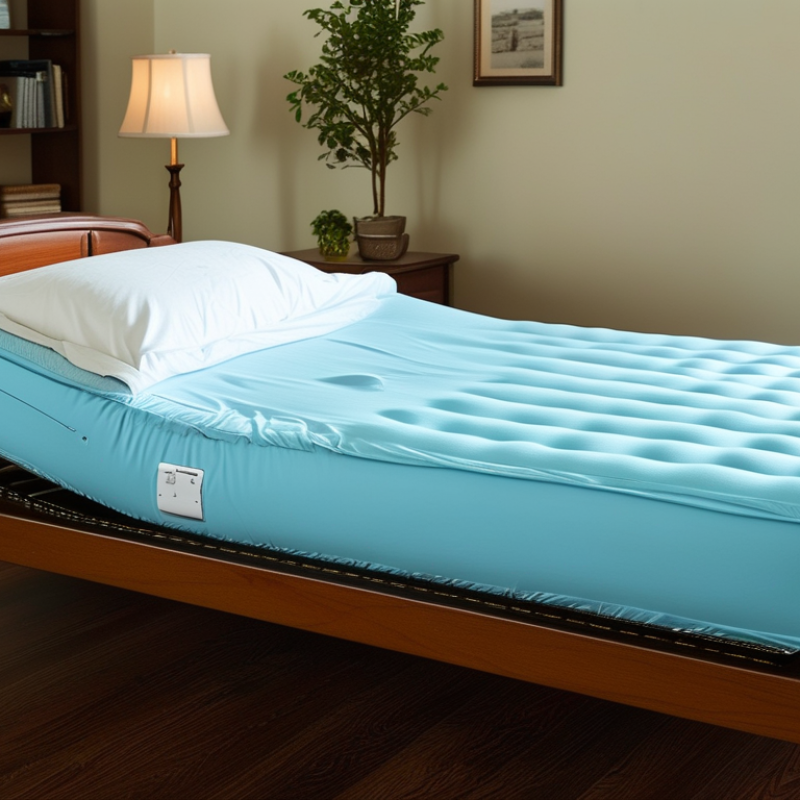
Bedsores, or pressure ulcers, arise from prolonged pressure on the skin. They often develop in individuals with limited mobility, such as those in nursing homes or hospital beds. According to the National Pressure Ulcer Advisory Panel (NPUAP), 2.5 million people in the United States experience bedsores each year. This alarming statistic highlights the need for effective prevention strategies.
One major cause of bedsores is insufficient blood flow to the skin, particularly over bony areas. Factors such as moisture, poor nutrition, and sensory impairment can exacerbate this issue. The skin may break down, leading to painful sores that require medical intervention. Research indicates that using an alternating pressure air mattress can significantly reduce the risk of bedsores. These mattresses distribute weight evenly and promote better blood circulation.
Tips: Regular repositioning is vital. Change positions every two hours to relieve pressure points. Maintain skin hygiene and moisture balance. Use barrier creams to protect sensitive areas. Additionally, ensure a balanced diet rich in protein to support skin health. This comprehensive approach can enhance care for at-risk individuals and reduce the incidence of bedsores.
| Aspect | Details |
|---|---|
| What are Bedsores? | Bedsores, also known as pressure ulcers, are injuries to the skin and underlying tissue that result from prolonged pressure on the skin. |
| Causes of Bedsores | Prolonged pressure, friction, shear, moisture, and poor nutrition can contribute to the development of bedsores. |
| Role of Alternating Pressure Air Mattresses | These mattresses help to distribute weight evenly and periodically change pressure points, reducing the risk of bedsores. |
| Benefits of Using Them | Reduced risk of skin breakdown, improved comfort for patients, and enhanced blood circulation. |
| Recommended Usage | Regularly monitor skin condition, adjust mattress settings as needed, and ensure proper alignment of body positioning. |
| Maintenance Tips | Keep the mattress clean and dry, check for any air leaks, and follow manufacturer's guidelines for care. |
: Bedsores are painful sores resulting from prolonged pressure on the skin, often in immobile individuals.
Individuals with limited mobility, such as those in nursing homes or hospitals, are at higher risk.
Regularly change positions every two hours and maintain good skin hygiene to prevent bedsores.
These mattresses help reduce the risk of bedsores by redistributing pressure and improving blood circulation.
It's best to adjust the pressure every 15 to 30 minutes for optimal function.
A balanced diet rich in protein supports skin health, reducing the risk of skin breakdown and bedsores.
Daily checks for redness or soreness on the skin are essential for early detection and prevention.
Even with an air mattress, repositioning every two hours is crucial to relieve pressure points.
Yes, excessive moisture can exacerbate skin breakdown, increasing the risk of bedsores.
Caregivers should consult healthcare professionals for tailored recommendations to address specific needs.
Bedsores, also known as pressure ulcers, are a significant concern for individuals with limited mobility, often resulting from prolonged pressure on specific areas of the body. Understanding the causes of bedsores is crucial for prevention. An effective solution to this problem is the use of alternating pressure air mattresses, which are designed to alleviate pressure by alternating the airflow within the mattress, thereby enhancing blood circulation and reducing the risk of skin damage.
To maximize their effectiveness, it is essential to follow proper usage guidelines for alternating pressure air mattresses. These guidelines include ensuring the mattress is correctly set up and regularly monitored for optimal inflation levels. Additionally, implementing complementary strategies such as frequent repositioning and skin care can further enhance the prevention of bedsores. Therefore, understanding "how to prevent bedsores using alternating pressure air mattresses" involves a combination of selecting the right mattress and adhering to best practices for use and maintenance.

 Zenith Medical