How to Properly Clean and Disinfect Hospital Furniture?

Time:2026-05-11 Author:Sienna
0%

Cleaning and disinfecting hospital furniture is crucial for maintaining a safe environment. Dr. Emily Carter, an infection control expert, states, "Proper cleaning protocols are essential to prevent healthcare-associated infections." This emphasizes the importance of establishing effective methods for cleaning.

When addressing the question, "How to clean and disinfect hospital furniture properly?" hospitals must focus on both cleaning techniques and appropriate disinfectants. The use of approved cleaning agents is key. It's important to follow manufacturer instructions for application and contact time.

Despite the best efforts, challenges remain in ensuring thorough disinfection. Some materials may be more difficult to clean than others. For instance, porous surfaces can harbor pathogens even after routine cleaning. Regular staff training and adherence to strict protocols can improve outcomes, but ongoing assessments are vital. Hospitals should be open to refining their methods continually.
How to Properly Clean and Disinfect Hospital Furniture?

Choosing the Right Cleaning Supplies for Hospital Furniture

Choosing the right cleaning supplies for hospital furniture is crucial to maintain a safe environment. Studies suggest that contaminated surfaces contribute significantly to hospital-acquired infections. According to the CDC, high-touch areas like bed rails and tables can harbor pathogens for days. Selecting supplies that effectively disrupt these germs can make a difference.

Disinfectants should meet the EPA's criteria for hospital-grade effectiveness. Look for products labeled as broad-spectrum antimicrobial. Avoid sponges or cloths that may scratch surfaces and harbor bacteria. Instead, consider disposable wipes to ensure thorough sanitation without cross-contamination.

Tips for effective cleaning include ventilating the area while cleaning and allowing disinfectants to sit for the recommended contact time. Regularly review cleaning protocols, as knowledge of best practices evolves. Staff training is essential; even the best supplies can fail without proper use. Use the right tools and techniques to enhance effectiveness and minimize risks.

Hospital Furniture Cleaning Supplies Usage

This bar chart represents the percentage usage of various cleaning supplies in hospital furniture maintenance. Disinfectant wipes are the most commonly used at 35%, followed by spray disinfectants at 25%. Microfiber cloths, mops, and sponge cleaners have lower usage rates, highlighting a focus on quick and efficient disinfection methods in healthcare settings.

Understanding Different Types of Hospital Furniture Materials

In hospitals, furniture comes in various materials. Each type has unique properties affecting cleaning and disinfecting. Common materials include metal, plastic, and upholstery. Understanding these materials aids in effective maintenance.

Metal furniture is durable and non-porous. It withstands harsh disinfectants. However, watch for scratches. Scratches can harbor bacteria. Regular inspection is necessary. Plastic is lightweight and easy to clean but may be prone to discoloration over time. It’s crucial to use compatible cleaners. Upholstered furniture presents challenges. The porous nature absorbs liquids and germs. Choose upholstery designed for easy cleaning.

Tips: Always follow manufacturer guidelines for cleaning. Use microfiber cloths to prevent scratching surfaces. Before applying disinfectants, ensure they are effective against pathogens. The Centers for Disease Control and Prevention recommends using EPA-approved products.

Consider potential pitfalls. Over-diluting cleaners can reduce effectiveness. Some cleaners may damage surfaces. It's essential to be cautious and thorough. Hospitals must prioritize safety while maintaining a clean environment. Ensuring proper cleaning practices across materials improves overall patient safety and well-being.

Step-by-Step Cleaning Procedures for Various Furniture Types

Cleaning and disinfecting hospital furniture requires attention to detail. Different types of furniture may need specific procedures to ensure they are properly sanitized. For example, soft furnishings like chairs and couches should be vacuumed first. This removes dust and debris, making disinfecting more effective.

Use a gentle detergent solution on a soft cloth. Avoid soaking the fabric. Afterward, use a suitable disinfectant spray to kill germs.

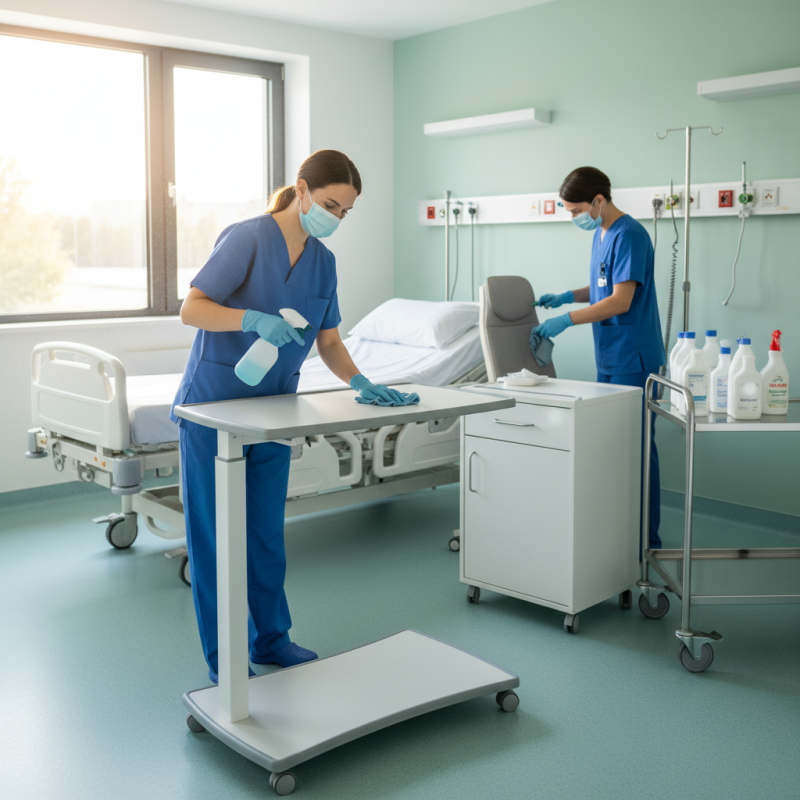
Hard surfaces like tables and beds are easier to clean. Begin by wiping down with a damp cloth. Focus on corners and edges where dirt often accumulates. Then, apply a disinfectant solution and allow it to sit per label instructions. Don’t rush this step; letting the disinfectant work is crucial.

When cleaning, remember to wear protective gear. Gloves and masks help prevent exposure to harsh chemicals. Make sure that the cleaning solution is compatible with the surface material. Test a small area if unsure. Always have a clear, organized space to work in. If furniture is heavily soiled, you may need multiple cleanings. Consistency is key in maintaining hygiene standards.

Effective Disinfection Techniques to Eliminate Pathogens

To effectively eliminate pathogens from hospital furniture, disinfection techniques must be meticulously followed. Studies indicate that 80% of healthcare-associated infections can be traced back to contaminated surfaces. This statistic highlights the urgency of cleaning practices in clinical settings. Each piece of furniture, from beds to chairs, can harbor harmful microorganisms.

Using FDA-approved disinfectants can significantly reduce microbial load. A research paper published by the American Journal of Infection Control emphasizes that targeting high-touch surfaces is critical. These areas require frequent disinfection. Wiping down surfaces with appropriate solutions must be done regularly. Technicians should focus on protocols that ensure thorough coverage.

However, not all methods are equally effective. Some disinfectants may leave residues that could impair patient health. Additionally, tools used for cleaning can become contaminated themselves if not managed properly. This presents a significant challenge for infection control teams. Continuous training and assessment can improve compliance and outcomes. By reflecting on these factors, healthcare facilities can bolster their sanitation protocols and enhance patient safety.

Establishing a Regular Maintenance Schedule for Hospital Furniture

Establishing a regular maintenance schedule for hospital furniture is vital. It helps prevent the spread of infections. Regular cleaning can sometimes be overlooked. Yet, neglecting this task can lead to serious health risks.

Furniture should be cleaned daily. High-touch areas need attention, such as armrests and tables. A weekly deep clean is also necessary. This ensures that all surfaces are disinfected.

Staff should be trained in proper techniques. Training helps maintain high standards. Staff may also overlook certain areas, which can compromise hygiene.

Incorporating a checklist can guide the cleaning process. This can help prevent irregularities. It is essential to document cleaning activities. This documentation provides accountability.

Regular audits can identify areas for improvement. Even routine practices need reflection and adjustment.

FAQS

: What is the first step in cleaning soft furnishings in hospitals?

: Start by vacuuming chairs and couches to remove dust and debris.

How should hard surfaces be cleaned in a hospital?

Wipe hard surfaces with a damp cloth, then apply a disinfectant solution.

Why is it important to let disinfectant sit on surfaces?

Allowing the disinfectant to sit is crucial for killing germs effectively.

What protective gear should be worn during cleaning?

Wear gloves and masks to avoid exposure to harsh chemicals.

How can you ensure the cleaning solution is safe for the surface?

Test a small area before applying the solution to the entire surface.

What should you do if furniture is heavily soiled?

Multiple cleanings may be necessary to achieve proper sanitation.

Why is regular cleaning sometimes overlooked in hospitals?

Staff may overlook tasks due to their chaotic schedules and workload.

What is the benefit of having a cleaning checklist?

A checklist helps ensure that no areas are missed during cleaning.

How can training improve cleaning standards?

Training ensures staff know proper techniques and helps maintain hygiene.

What should be done if audits reveal cleaning irregularities?

Reflect on the findings and adjust practices to improve sanitation efforts.

Conclusion

Proper cleaning and disinfection of hospital furniture is essential to maintain a safe and hygienic environment. The article titled "How to Properly Clean and Disinfect Hospital Furniture?" provides a comprehensive guide that begins with choosing the right cleaning supplies tailored to different materials used in hospital furniture. It emphasizes the importance of understanding these materials to avoid damage while ensuring effective cleaning.

The article outlines step-by-step cleaning procedures for various types of furniture, alongside effective disinfection techniques aimed at eliminating harmful pathogens. Establishing a regular maintenance schedule is also discussed as a crucial component in prolonging the life of hospital furniture while keeping it safe for patients and staff alike. By following these guidelines, healthcare professionals can confidently answer the question: "How to clean and disinfect hospital furniture properly?" and maintain high standards of cleanliness in medical facilities.

Sienna

Sienna

Sienna is a skilled marketing professional with a deep expertise in our company’s core products and services. With a passion for innovation and detail, she plays a pivotal role in crafting insightful blog posts that not only highlight the unique features of our offerings but also provide valuable......