Top 5 Reasons to Use a Lateral Positioning Pad for Recovery?

Time:2026-08-02 Author:Isabella
0%

Recovery after surgery is crucial for patient well-being, and using specialized tools can greatly enhance this process. One such tool is the lateral positioning pad. According to a study by the American Physical Therapy Association, appropriate positioning aids in reducing pressure ulcers and improves circulation. This is why using a lateral positioning pad for post-surgery recovery can be a game changer.

Dr. Emily Roberts, a leading expert in post-operative care, states, "Lateral positioning pads not only provide comfort but also facilitate better respiratory function and circulation." This statement underscores the essential role these pads play in recovery. They support proper alignment, reduce the risk of complications, and promote a quicker return to normal activities.

However, many healthcare professionals still overlook the benefits of these pads. Some patients may not receive adequate positioning support, potentially hindering their recovery. While lateral positioning is often discussed, it deserves more attention. The data shows that simple tools can make significant differences in patient care outcomes, and using a lateral positioning pad is a step toward more effective post-surgery recovery.
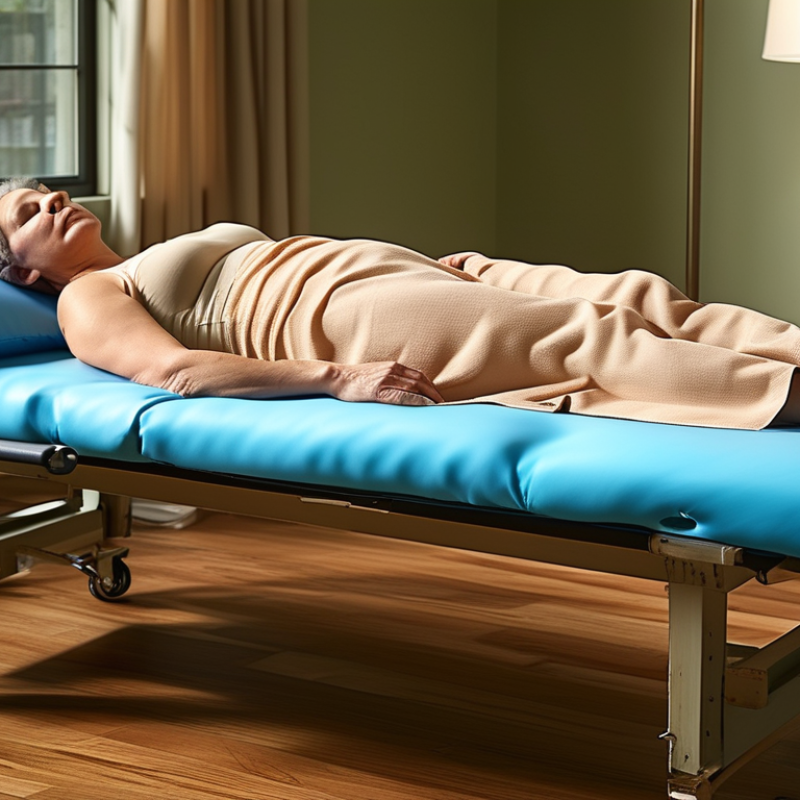
Top 5 Reasons to Use a Lateral Positioning Pad for Recovery?

Benefits of Lateral Positioning for Post-Operative Recovery

Positioning patients laterally during post-operative recovery offers numerous benefits that can enhance overall healing. Research indicates that proper positioning can reduce the risk of pressure ulcers by up to 60%. Comfort is crucial in recovery. A lateral positioning pad helps distribute weight evenly, alleviating stress on pressure points. This can significantly improve patient satisfaction during their recuperation.

Moreover, lateral positioning aids in respiratory function. According to a study published in the Journal of Clinical Nursing, patients in a lateral position experienced improved oxygenation levels. This is particularly important for individuals who underwent thoracic surgeries. By optimizing lung expansion, patients can experience quicker recovery times.

However, there are still challenges in implementing lateral positioning techniques consistently. Staff training can be inconsistent, leading to misunderstandings about the importance of proper positioning. Additionally, some patients may resist being turned due to discomfort. It’s essential that health professionals remain aware of these obstacles. Adjusting techniques and offering education can help maximize the benefits of lateral positioning in post-operative recovery scenarios.

Top 5 Reasons to Use a Lateral Positioning Pad for Recovery

Clinical Evidence Supporting the Use of Lateral Positioning Pads

Lateral positioning pads have gained recognition in recovery protocols due to their clinical benefits. Research indicates that these pads reduce pressure injuries by up to 50%. A study published in the Journal of Wound Care noted that patients positioned laterally experienced fewer skin breakdowns compared to those in traditional positions. This is significant in settings where patients undergo long recovery periods.

Clinical guidelines support the use of lateral positioning pads for patients at risk of pressure ulcers. The National Pressure Injury Advisory Panel emphasizes the importance of turning and repositioning. They recommend using specialized surfaces and devices as effective preventive measures. Observations suggest that patients exhibit improved comfort and less agitation when using these pads during recovery.

Yet, not all patients may benefit equally. Some individuals may feel uneasy or experience discomfort initially. Continuous evaluation of patient feedback is essential for optimal usage. Adjustments may be necessary to align with individual needs and circumstances, ensuring that the intended benefits are fully realized.

Impact of Lateral Positioning on Pressure Ulcer Prevention

Lateral positioning plays a crucial role in preventing pressure ulcers. When patients are positioned on their sides, weight is distributed differently across the body’s surface. This method helps relieve pressure on vulnerable areas. Reducing pressure on bony prominences is essential for skin integrity. Skin damage can occur within hours.

Using a lateral positioning pad enhances this protective effect. It provides additional support, promoting comfort and stability. These pads can adapt to body contours, reducing friction. However, it’s important to check for proper fit. An improper fit might lead to other complications.

Training caregivers in lateral positioning techniques is vital. They must understand how to assess patient needs effectively. A tailored approach fosters better outcomes. Even with the best equipment, attention to detail is key. Monitoring skin condition regularly helps identify any early signs of pressure damage. Adapting strategies continually is necessary for ongoing recovery success.

Enhanced Patient Comfort Through Lateral Positioning Techniques

Lateral positioning techniques significantly enhance patient comfort during recovery. These methods offer a practical approach to alleviate pressure points. A well-designed positioning pad can help distribute body weight more evenly. This reduces the discomfort often associated with prolonged bed rest.

Patients often report improved satisfaction with lateral positioning. The ability to change angles allows for better respiratory function. It can also promote better circulation. Some individuals may feel anxious or restless in recovery. A positioning pad can provide a sense of security and stability, which is vital for psychological comfort.

However, it is important to ensure proper alignment. Misalignment can lead to additional discomfort. Healthcare professionals should regularly assess the patient’s position. Adjustments may be necessary based on feedback. Personalizing the experience for each patient can make a significant difference in their recovery journey. These techniques require ongoing evaluation and adaptation for optimal results.

Guidelines for Effective Use of Positioning Pads in Healthcare Settings

Lateral positioning pads are essential tools in healthcare settings for patient recovery. They promote better alignment and comfort, minimizing pressure on sensitive areas. Studies indicate that proper positioning reduces the incidence of pressure ulcers by up to 60%. Healthcare professionals must prioritize effective use of these pads.

To use lateral positioning pads effectively, ensure they are placed correctly. The pad should support the patient's back, hips, and legs without causing strain. Regular repositioning of patients is crucial. Research suggests that patients who are repositioned every two hours have significantly lower risks of complications.

Tips: Always assess the patient's skin condition before using a pad. Look for signs of redness or breakdown. Customizing the position enhances comfort. Strive for a balance—over-support can sometimes lead to discomfort. Engage with patients; feedback can reveal important insights into their comfort and needs.

FAQS

: What are lateral positioning pads used for?

: They are used in recovery protocols to reduce pressure injuries effectively.

How much can these pads reduce pressure injuries?

Research shows a reduction of pressure injuries by up to 50%.

Do all patients benefit from lateral positioning pads?

Not all patients may benefit equally; some may feel discomfort initially.

Why is proper fit important for lateral positioning pads?

An improper fit can lead to complications and reduce effectiveness.

How can caregivers enhance the use of lateral positioning techniques?

Caregivers should be trained to assess patient needs and perform adjustments.

What are some psychological benefits of lateral positioning for patients?

It can provide a sense of security and stability, alleviating anxiety.

How does lateral positioning affect skin integrity?

It helps relieve pressure on bony prominences, reducing the risk of skin damage.

Why is continuous patient feedback important?

Regular feedback ensures optimal usage and alignment with individual needs.

What can improve outcomes when using lateral positioning?

A tailored approach and regular monitoring of skin conditions are essential.

What happens if a patient is misaligned while using these pads?

Misalignment can lead to discomfort and potentially hinder the recovery process.

Conclusion

Lateral positioning pads are increasingly recognized for their significant role in enhancing post-operative recovery. Why use a lateral positioning pad for post-surgery recovery? One of the primary benefits lies in their ability to promote optimal blood circulation and reduce pressure on vulnerable areas, effectively preventing pressure ulcers. Clinical evidence supports the effectiveness of these pads in improving patient outcomes and comfort during the critical recovery phase.

Additionally, lateral positioning techniques not only improve overall patient comfort but also facilitate easier breathing and digestive processes. To maximize these benefits, healthcare professionals should follow specific guidelines for the effective use of positioning pads, ensuring that patients receive the best care possible while achieving a smoother recovery journey.

Isabella

Isabella

Isabella is a dedicated marketing professional with a sharp focus on driving brand growth and engagement through strategic content creation. With an extensive background in digital marketing, she combines her passion for storytelling with her keen understanding of industry trends to deliver......