Air mattresses are a convenient solution for temporary sleeping arrangements, yet many users face a common frustration: "Why does my air mattress keep losing pressure at night?" According to a survey by Sleep Foundation, nearly 30% of air mattress users report air loss as a significant issue. It's a concern echoed by sleep expert Dr. Emily Chen, who states, "Air loss can stem from multiple factors, including temperature fluctuations and small punctures." Understanding these aspects can help greatly in tackling this nuisance.
Various factors contribute to air loss. Materials can expand and contract due to changes in temperature, leading to unwanted pressure drops. Regular use often causes wear and tear, making it easier for air to escape. Even minor punctures, not visible to the naked eye, can result in deflation. This vulnerability can be frustrating for users, especially when a good night's sleep is at stake.
Reflecting on these details, it's essential to address the underlying reasons for this issue. Proper maintenance and awareness of environmental factors can significantly enhance the air mattress experience. As you explore solutions, consider how proactive measures can mitigate air loss and improve your sleep quality.
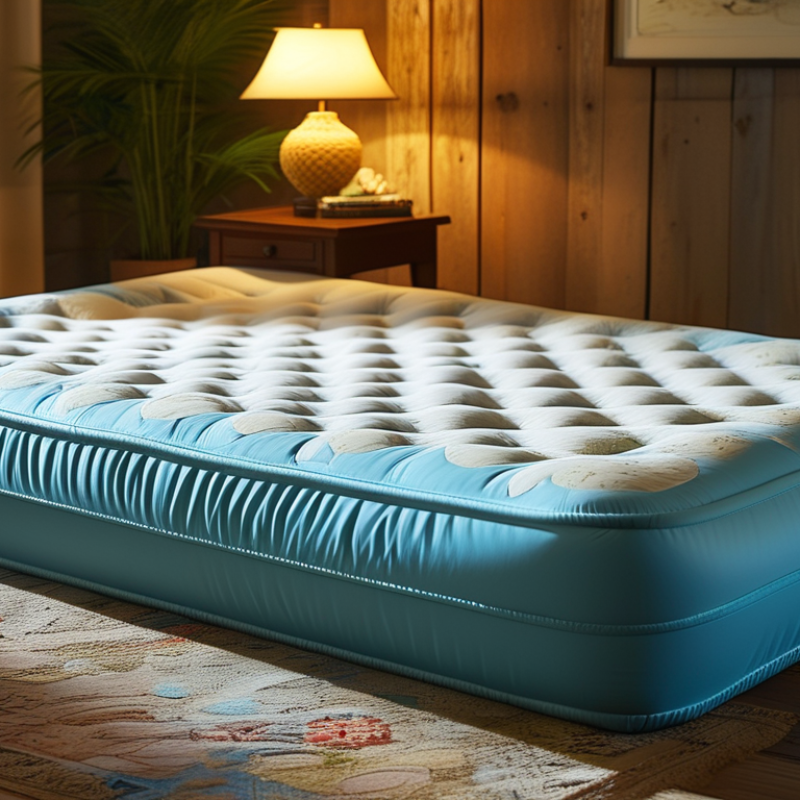
Understanding the Common Causes of Air Mattress Deflation
Air mattress deflation can be frustrating, especially when you expect a restful night. Understanding the common causes of air mattress loss is crucial. According to industry research, approximately 30% of air mattress users report significant air loss during sleep. This is often due to small punctures or seams that compromise the mattress's integrity.
Another factor is temperature fluctuation. When the air inside cools, it contracts, leading to a loss of pressure. Studies suggest that air mattresses can lose up to 20% of their volume overnight in colder environments. Additionally, improper inflation can exacerbate deflation. Overinflating can stretch material too thin, while underinflating may yield insufficient support.
Regular maintenance and checks can prevent these issues. Users should inspect their mattresses before use, looking for any visible damage. Experts recommend using a patch kit for small leaks. Tracking temperature changes in your sleep environment is also wise. If consistent deflation occurs, consider evaluating mattress quality as a factor. The lingering deflation mystery often requires personal reflection on usage patterns and conditions.
Choosing the Right Location for Your Air Mattress Setup
Choosing the right location for your air mattress setup can greatly reduce the chances of losing air at night. Experts suggest that placing the mattress on a flat, clean surface is crucial. Small stones or rough terrain can create punctures, leading to air loss. According to industry reports, around 20% of air mattresses fail due to improper setup locations. This figure highlights the importance of choosing wisely.
Indoor setups should also consider temperature fluctuations. Air expands in heat and contracts in cold, potentially causing your mattress to lose or gain air overnight. Research indicates that keeping the mattress in a stable temperature room can significantly improve air retention. Additionally, avoid placing the mattress near windows or vents where drafts may occur. This subtlety often goes unnoticed but can be crucial for a restful night.
It’s essential to examine the surrounding environment. Even minor disturbances, like pets or foot traffic, can affect the air mattress if not placed properly. Think of possible vibrations or movements that could disturb your sleep. Whether camping outdoors or sleeping indoors, location matters more than most realize. Small adjustments can lead to impressive results, keeping the air mattress firm for longer.
Air Mattress Air Loss Factors
How to Properly Inflate Your Air Mattress for Optimal Performance
Properly inflating your air mattress is crucial for a good night's sleep. Many people overlook the recommended pressure level. Studies suggest that maintaining an internal pressure of around 0.6 to 1.0 psi can enhance comfort. Over-inflation can lead to seams bursting, while under-inflation results in sagging. It’s important to use a pressure gauge to monitor inflation accurately.
Another key factor is temperature. Air expands with heat and contracts when it cools. If you inflate your mattress in a warm room, it might lose firmness overnight as temperatures drop. Experts recommend adjusting the pressure based on environmental conditions. Additionally, ensure the mattress is placed on a flat surface. Any uneven ground can create pressure points that cause air loss. Simple practices can prevent air loss at night.
Regular maintenance also plays a role. Inspecting the mattress for punctures is essential. A small hole can lead to significant air loss, affecting sleep quality. Experts suggest a soap and water solution to locate leaks effectively. This hands-on approach not only enhances durability but also reinforces elements of care in mattress management. Understanding these nuances can help create a more enjoyable sleeping experience.
10 Tips to Stop Your Air Mattress from Losing Air at Night
| Tip Number |
Tip Description |
Expected Outcomes |
| 1 |
Check for leaks regularly. |
Increased longevity of the mattress. |
| 2 |
Inflate the mattress fully before use. |
Better support and comfort while sleeping. |
| 3 |
Use a pad or blanket under the mattress. |
Protection from punctures and heat loss. |
| 4 |
Avoid sharp objects near the mattress. |
Prevention of unexpected leaks. |
| 5 |
Keep the mattress at room temperature. |
Reduced air loss due to temperature fluctuations. |
| 6 |
Check and tighten valves before sleeping. |
Minimized risk of air escaping. |
| 7 |
Avoid over-inflation. |
Enhanced comfort and mattress life. |
| 8 |
Use a pump with a pressure gauge. |
Achieve proper inflation pressure. |
| 9 |
Store properly when not in use. |
Prolonged warranty and lifespan of the mattress. |
| 10 |
Follow manufacturer’s instructions. |
Optimal performance and user satisfaction. |
Regular Maintenance Tips to Prevent Air Leakage
Taking care of your air mattress can significantly reduce air leakage. Regular maintenance is key to ensuring a restful night. One tip is to inspect the seams and valves before each use. Look for any visible signs of wear or damage. A small tear can lead to a big problem later. If you notice anything unusual, consider patching it up immediately.
Another crucial aspect is to keep the mattress clean. Dirt and debris can wear down the material over time. Use a soft cloth to wipe down the surface and maintain its integrity.
Storing your air mattress in a cool, dry place is also important. Heat can warp the material, leading to air loss when inflated. Inflate your mattress to the recommended firmness level. Over-inflating may strain the seams, resulting in leaks. Always check the air pressure before bedtime.
If you frequently need to refill, it’s time to investigate further. You might not see immediate results from your efforts, but consistency will pay off in the long run. Reflect on how you care for your mattress to avoid these recurring issues.
DIY Repairs for Small Holes and Leaks in Air Mattresses
Air mattresses are convenient for guests, but losing air can be frustrating. Small holes and leaks can often be repaired easily with a few DIY methods. It's important to understand the material of your air mattress before starting repairs. Many air mattresses are made from PVC or vinyl, which can be patched effectively.
To repair small holes, first, locate the leak. A simple way to find it is by inflating the mattress and spraying soapy water over its surface. If you see bubbles forming, you have found the source. Once identified, clean the area around the hole thoroughly. Use a patch kit for air mattresses, or consider using strong adhesive and a piece of similar material to seal the leak. Allow ample time for the adhesive to cure properly before reinflating the mattress.
Preventing air loss is equally important. One common tip is to avoid overinflating your mattress. Over-inflation can stretch the material, making it more prone to leaks. Also, try to keep the air mattress on a soft surface rather than on hard ground. Sharp objects can easily puncture it. Regularly checking the integrity of the air mattress can save you from those frustrating nights. Be sure to store your mattress in a cool, dry place. Heat can weaken the materials, leading to premature wear. These simple actions can help ensure a better night’s sleep.
Conclusion
Having an air mattress can be a convenient solution for temporary sleeping arrangements, but many users often find themselves asking, "Why does my air mattress keep losing pressure at night?" This issue typically arises from common causes such as punctures, a poor seal, or temperature fluctuations. Understanding these factors is crucial for effective management.
To ensure your air mattress stays inflated throughout the night, it is essential to choose the right location for setup—avoid sharp objects and overly humid areas. Proper inflation and regular maintenance are key to preventing air leakage. Regularly inspect your mattress for small holes or leaks and consider DIY repairs if necessary. By following these tips, you can enhance the longevity and performance of your air mattress, ensuring a comfortable night’s sleep.

 Zenith Medical