In the realm of healthcare, addressing the needs of bariatric patients is crucial. Heavy-duty bariatric hospital beds play a vital role in patient comfort and safety. Understanding "How much weight can a heavy-duty bariatric hospital bed hold?" is essential for ensuring adequate support for patients. According to a report by the National Institute of Health, the number of bariatric patients is expected to rise significantly in the coming years, emphasizing the need for robust hospital equipment.
Dr. Emily Thompson, a respected expert in bariatric care, once stated, “Choosing the right bed is not just about weight; it’s about dignity and comfort for the patient.” The weight capacity of these beds typically ranges from 600 to 1,200 pounds, reflecting advancements in bed design and materials. This variation underscores the importance of optimizing bed selection based on individual patient needs, an area often overlooked in hospital settings.
While heavy-duty beds provide essential support, selecting the appropriate model can be complex. Many healthcare facilities may not have updated their equipment, leaving gaps in patient care. Investing in these beds is a step toward better health outcomes for bariatric patients. However, it’s imperative for hospitals to evaluate their current resources and adaptation strategies to ensure they meet these rising demands effectively.
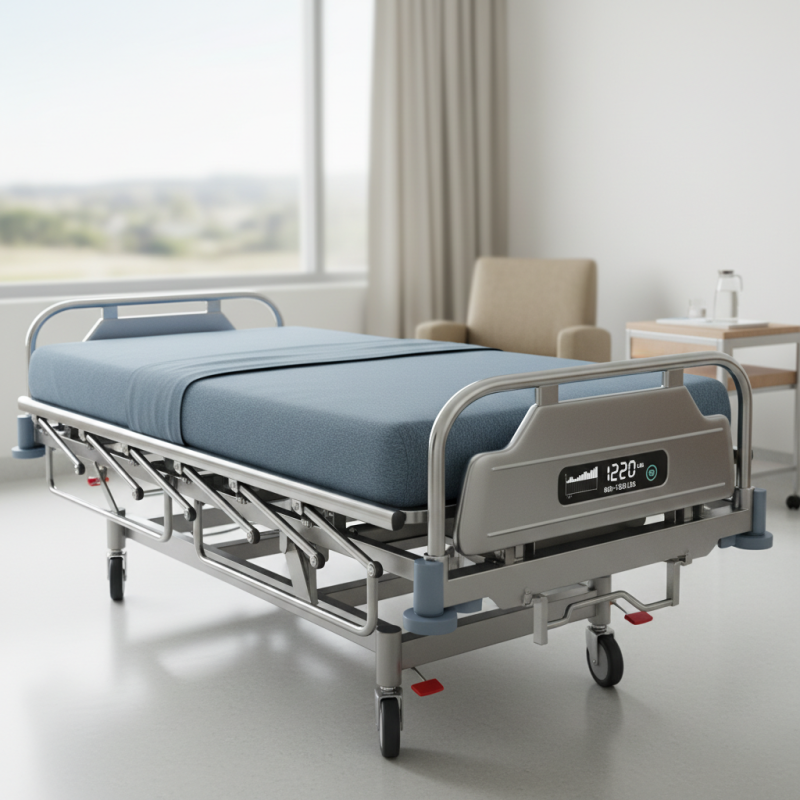
Understanding Bariatric Hospital Beds and Their Importance
Bariatric hospital beds play a crucial role in patient care for individuals with high weight capacities. These specialized beds are designed to support patients weighing between 350 to 1,000 pounds. According to the American Hospital Association, over 1 in 4 Americans are classified as obese. This statistic highlights the growing demand for robust medical equipment that accommodates larger patients' needs.
These beds are built with enhanced durability and features. They often include wider frames, stronger mattresses, and advanced support systems. Research indicates that proper support can significantly reduce the risk of pressure ulcers, a common concern for heavier patients. A study published in the Journal of Healthcare Engineering reveals that 43% of patients using standard beds experienced skin integrity issues. This points to the importance of investing in bariatric solutions.
Accessibility is another critical aspect. Many facilities are not adequately equipped to handle the needs of obese patients. Some beds may require additional training for staff on how to operate them safely. Additionally, hospitals often face budget constraints that limit their ability to purchase the necessary equipment. This ongoing dilemma highlights the need for a strategic approach in healthcare resource allocation to ensure every patient receives appropriate care.
Key Features to Look for in Heavy-Duty Bariatric Beds
When choosing heavy-duty bariatric hospital beds, it’s crucial to consider key features that ensure safety and comfort. Begin with the weight capacity. Many beds cater to weights of over 600 pounds. This ensures they are robust enough for patients with diverse needs. The bed frame should be constructed from durable materials as well, enhancing stability during use.
Next, look for adjustable height settings. A bed that can be lowered or raised helps in patient transfers. Additionally, consider the mattress quality. High-density foam or gel mattresses can provide better support and pressure relief, which is vital for larger patients. Check for wheels that lock securely. This ensures safety while allowing easy movement.
Another important feature is side rails. They enhance safety by preventing falls. However, some beds might have rails that are not high enough. This detail requires careful consideration. Lastly, the bed's ease of operation matters. Mechanisms should be user-friendly for staff and patients alike. Complex controls can lead to frustration during emergencies. Finding the right balance of these features can be a challenge but is essential for effective care.
Top 10 Heavy Duty Bariatric Hospital Beds Weight Capacity
| Model |
Weight Capacity (lbs) |
Bed Dimensions (inches) |
Key Features |
| Model A |
600 |
36 x 80 |
Adjustable height, side rails, and electric controls |
| Model B |
750 |
38 x 84 |
Weight monitoring system, easy to maneuver |
| Model C |
800 |
42 x 86 |
Low height feature, enhanced comfort mattress |
| Model D |
1000 |
48 x 88 |
Full electric, quick-release side rails |
| Model E |
600 |
36 x 80 |
Zero gravity position, anti-slip surface |
| Model F |
750 |
38 x 84 |
Smart control panel, removable cover |
| Model G |
800 |
42 x 86 |
Enhanced weight distribution, easy cleanup |
| Model H |
1000 |
48 x 88 |
Remote control, height adjustable |
| Model I |
600 |
36 x 80 |
Durable frame, easy transport |
| Model J |
750 |
38 x 84 |
Reclining feature, padded side rails |
Top 10 Bariatric Hospital Beds with High Weight Capacities
Bariatric hospital beds are crucial for patient care in medical facilities. These beds offer higher weight capacities, ensuring patient safety and comfort. A recent study by the Journal of Healthcare Engineering highlights that standard hospital beds typically support up to 250 pounds. In contrast, bariatric beds can accommodate weights ranging from 500 to 1,000 pounds. This is vital for addressing the growing needs of obese patients.
When choosing a bariatric bed, look for key features. Adjustable height, width, and backrest positions enhance comfort. High-quality materials ensure durability. Additionally, beds with integrated weight scales can help monitor patients without moving them. According to the U.S. Department of Health, the prevalence of obesity is rising, making these beds not just an option but a necessity in many care settings.
Tips for selecting a bariatric bed include assessing the patient’s specific needs. Consider their mobility, height, and health conditions. Make sure to involve multiple healthcare team members in the decision. Documentation of experiences from staff can provide insights into the most effective designs and features. Regular evaluation of these beds is essential. Collect feedback to ensure they meet current demands.
Comparative Analysis of Weight Capacities in Bariatric Beds
When considering bariatric hospital beds, weight capacity is a crucial factor. These beds are designed to support individuals who require additional weight limits. Features of these beds include reinforced frames, wider dimensions, and sturdy components. Depending on the model, capacities can range from 350 to 1,000 pounds. This variety allows for greater accessibility in healthcare settings.
However, not all bariatric beds are created equal. Some may have a higher weight capacity, but lack essential features such as comfort or adjustability. This raises the question: is weight capacity more important than overall patient care? High-capacity beds must also ensure proper support and safety. A focus on just the weight limit could lead to overlooking other vital aspects.
Analyzing the weight capacities helps compare different products. Not all patients have the same needs, and personal requirements vary significantly. Thus, healthcare providers should assess the full picture, including the overall design and usability of the bed. A robust bed is important, but comfort and functionality should not be compromised. This balance is key to effective patient care, ensuring that every individual receives the best possible experience.
Top 10 Heavy Duty Bariatric Hospital Beds Weight Capacity
Considerations for Choosing the Right Bariatric Bed for Patients
When choosing a bariatric hospital bed, several considerations come into play.
Weight capacity is crucial, as it determines safety and comfort.
Most heavy-duty bariatric beds can support over 500 pounds. However, it is advisable to select a bed that exceeds
the patient’s weight for added security. The size of the bed matters too; a wider surface can prevent patients from feeling cramped.
Another important aspect is the bed’s adjustability. Features like head and foot elevation improve
patient comfort significantly. Look for beds with easy-to-use controls. This makes it simpler for caregivers to position
patients correctly. Additionally, beds with anti-fall features offer peace of mind.
Consider the material and build quality of the bed.
Sturdy construction ensures durability, especially for heavier patients.
However, not all materials are the same. For example, some may not withstand frequent movement. Finally, always check
warranty and service options. This gives reassurance for long-term use. Making the right choice requires careful
thought and understanding of your needs.
FAQS
: Bariatric beds can support individuals from 350 to 1,000 pounds. This varies by model.
Weight capacity ensures safety and comfort for heavier patients. It affects overall functionality.
No, some beds prioritize weight capacity over comfort. This can affect patient care.
Consider adjustability, ease of use, and anti-fall features. These enhance patient comfort.
A wider bed prevents patients from feeling cramped. This can improve their overall comfort.
Yes, sturdy construction is vital for durability. Some materials may not withstand heavy use.
Select a bed that exceeds the patient's weight. This adds an extra layer of security.
Head and foot elevation improves comfort. Easy controls help caregivers position patients better.
Yes, checking warranty and service options provides reassurance for long-term use.
Yes, it may overlook comfort and safety. A balance between features is essential for care.
Conclusion
Bariatric hospital beds play a crucial role in providing comfort and safety for patients with higher weight requirements. Understanding the key features of heavy-duty bariatric beds is essential when choosing the right option for specific patient needs. Features to consider include weight capacity, adjustability, and ease of use, all of which contribute to the effectiveness of care.
When exploring the question, "How much weight can a heavy-duty bariatric hospital bed hold?" it is clear that these beds are designed to support substantial weights, often ranging from 500 to 1,000 pounds, depending on the model. A comparative analysis of various bariatric beds highlights the differences in weight capacities, allowing caregivers to make informed decisions based on individual patient requirements. Ultimately, selecting the right bariatric bed is vital for ensuring patient comfort and safety during their recovery process.

 Zenith Medical